


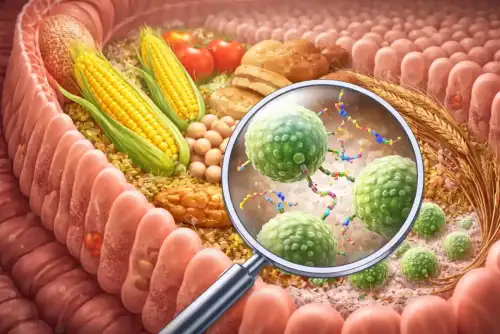
Celiac.com 04/24/2026 - Every day the human body encounters thousands of foreign substances through food. Most of these substances are harmless nutrients that the immune system must learn to tolerate rather than attack. If this process fails, the body may react with food allergies or immune-related digestive conditions. Scientists have long understood that tolerance to food is important for health, but the precise biological signals that teach the immune system which foods are safe have remained unclear.
A recent study investigated how the immune system develops tolerance to dietary proteins. The research focused on specialized immune cells in the intestines that help prevent harmful reactions to food. By studying these cells and the specific food-derived signals they recognize, researchers uncovered new clues about how immune tolerance develops. The findings may eventually help scientists design better strategies to prevent or treat food allergies and immune-mediated digestive disorders.
The Immune System’s Role in Food Tolerance
Celiac.com Sponsor (A12):
For many years scientists believed that tolerance to food simply meant the immune system ignored what we eat. However, modern research shows that tolerance is an active process. The immune system does not simply overlook food proteins; instead, it actively evaluates them and determines whether they should trigger a response.
Within the intestinal lining are specialized immune cells that monitor substances passing through the digestive tract. Among the most important of these are regulatory T cells. These cells act as immune system moderators that prevent excessive or unnecessary immune reactions. When regulatory T cells encounter signals that indicate a substance is safe, they suppress inflammatory responses and maintain balance within the immune system.
Understanding how these regulatory cells identify safe foods has been a major unanswered question in immunology. The new study sought to identify the specific food molecules that activate these protective immune responses.
Investigating Dietary Proteins That Promote Tolerance
To explore this question, researchers conducted experiments using laboratory mice. They analyzed the immune cells present in the intestines and identified those that respond to food-derived proteins. The goal was to determine which parts of food proteins were being recognized by regulatory T cells responsible for maintaining tolerance.
Proteins are large molecules composed of smaller segments known as peptides. Within these proteins are short sequences of amino acids that immune cells can detect. These short segments function like identifying signals that the immune system uses to decide how to respond.
The research team discovered that regulatory T cells respond strongly to specific peptide segments derived from seed storage proteins. These proteins are commonly found in staple plant foods such as corn, wheat, and soybeans. Seed storage proteins serve as nutrient reserves for developing plants and are widely consumed by humans through many foods.
One particular protein from corn, known as zein, produced a strong regulatory response. A specific section located near the end of this protein appeared to act as a powerful signal for immune tolerance.
How Regulatory Immune Cells Recognize Safe Foods
The study revealed that regulatory T cells are not responding randomly to food proteins. Instead, they focus on particular peptide signals that guide the immune system toward tolerance rather than inflammation. These signals act almost like identification markers indicating that a food is safe.
When regulatory T cells recognize these peptide signals, they release factors that suppress the activity of other immune cells that might otherwise attack the food proteins. This calming effect helps maintain peace within the immune system and prevents unnecessary inflammation.
The researchers observed that regulatory T cells recognizing the corn protein zein developed naturally during early life, particularly around the time animals began eating solid foods. This suggests that exposure to dietary proteins during early development helps train the immune system to tolerate common foods.
In some cases, these food-specific regulatory T cells made up a noticeable portion of the total regulatory immune cell population in the body. Their presence demonstrated that tolerance to food is supported by a dedicated group of immune cells that specialize in maintaining harmony between the immune system and the digestive system.
Evidence That Tolerance Cells Suppress Harmful Immune Responses
To confirm that these regulatory cells truly prevent harmful immune reactions, researchers performed additional experiments. They exposed immune cells to the corn protein zein and observed how regulatory cells influenced the immune response.
The results showed that regulatory T cells recognizing the zein protein suppressed the activity of other immune cells that would normally multiply and initiate an immune attack. This suppression occurred both in laboratory experiments and when regulatory cells were transferred into animals that had not previously encountered the protein.
The research also demonstrated that animals previously exposed to the dietary protein produced weaker inflammatory responses when faced with immune challenges later on. This finding suggests that early dietary exposure can help establish long-lasting immune tolerance.
Together, these results provide strong evidence that regulatory T cells recognizing specific food-derived peptide signals actively protect the body from excessive immune reactions.
Why the Immune Response Focuses on Specific Protein Signals
One surprising finding from the study was how selective the immune system appears to be when recognizing food proteins. Despite the enormous variety of proteins present in food, regulatory immune cells tended to concentrate on only a small number of peptide signals.
This suggests that the immune system may rely on a limited set of molecular cues to determine whether foods are safe. These signals may function as key reference points that guide the immune system toward tolerance.
Understanding why the immune system selects certain peptides but not others remains an important question. The answer may depend on factors such as how the proteins are processed during digestion or how they are presented to immune cells in the intestinal environment.
Researchers also suspect that the community of microorganisms living in the intestine may influence how these signals are interpreted by the immune system.
The Role of Gut Microbes in Developing Tolerance
The intestinal microbiome plays a central role in shaping immune development. Trillions of bacteria and other microorganisms live in the digestive tract and interact constantly with immune cells.
The study found that the development of regulatory cells responding to the corn protein was influenced by the presence of intestinal microbes. This indicates that the microbiome may help shape how the immune system learns to tolerate food.
Microbes may influence the way proteins are broken down during digestion or how peptide signals are displayed to immune cells. By altering these processes, gut microbes could affect whether the immune system interprets food proteins as harmless or threatening.
This relationship between food proteins, gut microbes, and immune regulation highlights the complexity of the digestive immune system and the many factors that influence tolerance.
Future Possibilities for Preventing Food Allergies
The findings from this study open several new directions for research and potential therapies. If scientists can identify the peptide signals that promote tolerance, it may be possible to use them to guide the immune system toward a more balanced response.
Researchers are now considering the possibility of creating libraries of tolerance-promoting peptides derived from common foods. These peptides could potentially be used to retrain the immune system in people with food allergies.
Another possibility involves early dietary exposure strategies. Introducing tolerance-promoting peptides during childhood could help guide the immune system toward accepting certain foods rather than developing allergies.
Scientists are also exploring whether modified food proteins could be developed that encourage immune tolerance without triggering allergic reactions. These approaches remain experimental but offer promising possibilities for the future.
Why This Research Matters for People With Celiac Disease
Although this study focused primarily on food tolerance in general rather than celiac disease specifically, the findings offer important insights into how the immune system interacts with dietary proteins. Celiac disease occurs when the immune system reacts abnormally to gluten proteins found in wheat, barley, and rye.
Understanding how regulatory immune cells normally promote tolerance may help scientists better understand why this process fails in celiac disease. The discovery that specific protein signals guide tolerance suggests that similar mechanisms might be involved in determining whether gluten triggers an immune reaction.
If researchers can identify the signals that encourage immune tolerance, future therapies might be able to strengthen the body’s regulatory immune responses. Such treatments could potentially help control abnormal immune reactions to dietary proteins.
While a gluten-free diet remains the only current treatment for celiac disease, research into immune tolerance continues to expand the understanding of how food-related immune disorders develop. Studies like this one provide valuable knowledge that could lead to new approaches for managing or even preventing immune-mediated food conditions in the future.
Conclusion
This research provides new insight into how the immune system learns to tolerate the foods we eat. The study revealed that regulatory immune cells recognize specific peptide signals within common dietary proteins and use these signals to suppress inflammatory reactions.
These tolerance-promoting signals appear to come from seed storage proteins found in widely consumed foods such as corn, wheat, and soy. By identifying these signals and understanding how they activate regulatory immune cells, scientists have taken an important step toward understanding the biology of food tolerance.
The work also highlights the complex interaction between dietary proteins, intestinal microbes, and immune regulation. Together, these factors help train the immune system to maintain balance within the digestive system.
Although much work remains before these discoveries can be translated into treatments, the findings provide a foundation for future research aimed at preventing food allergies and improving immune tolerance. For individuals living with conditions such as celiac disease, this growing understanding of immune tolerance may eventually lead to new strategies that help the body maintain harmony with the foods we eat.
Read more at:









Recommended Comments
There are no comments to display.
Create an account or sign in to comment
You need to be a member in order to leave a comment
Create an account
Sign up for a new account in our community. It's easy!
Register a new accountSign in
Already have an account? Sign in here.
Sign In Now