


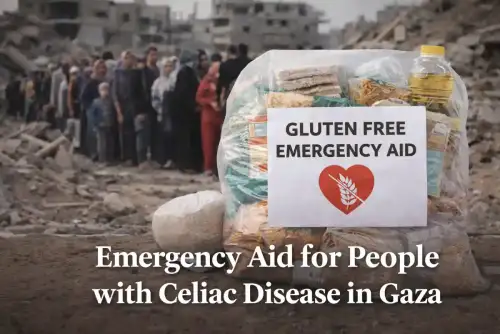
Celiac.com 04/17/2026 - Humanitarian crises often create severe shortages of food, clean water, and medical care. For most people, emergency food aid focuses on providing calories and basic nutrition to prevent hunger and starvation. However, for individuals with celiac disease, the challenge goes beyond simply getting enough food. They must also avoid gluten, a protein found in wheat, barley, and rye. Consuming gluten can trigger a damaging immune response that harms the small intestine and prevents the body from absorbing nutrients.
Because of this, the gluten-free diet is not a lifestyle choice but a medical necessity for people with celiac disease. In emergency settings where food options become extremely limited, individuals with the condition may face a dangerous dilemma: either eat foods that make them sick or go without food altogether. This situation can quickly lead to malnutrition and serious health complications.
A New Humanitarian Initiative Focused on Celiac Disease
Celiac.com Sponsor (A12):
Recognizing this urgent problem, the Association of European Coeliac Societies has launched a humanitarian initiative aimed specifically at supporting people with celiac disease in the Gaza Strip. The program, called the Huda Emergency Initiative, was created to raise funds that will be used to provide gluten-free food supplies to individuals affected by the ongoing humanitarian crisis in the region.
The goal of the initiative is to ensure that people with celiac disease have access to safe food during a time when normal supply chains have been severely disrupted. In many emergency responses, special dietary needs are difficult to accommodate, and gluten-free food is rarely prioritized in large-scale food distributions. As a result, people with celiac disease can become especially vulnerable when crises occur.
The funds collected through this effort are intended to help purchase gluten-free foods, organize logistics, and distribute supplies through trusted humanitarian partners who are operating in the region. These efforts are designed to make sure that assistance reaches those who require medically appropriate food to stay healthy.
The Story Behind the Initiative
The initiative is named in memory of Huda, an eight-year-old girl with celiac disease who died after suffering from severe malnutrition due to lack of access to safe gluten-free food. Her story highlights the tragic consequences that can occur when the medical needs of people with celiac disease are overlooked during humanitarian emergencies.
Huda’s story also symbolizes the many children and adults living with celiac disease whose dietary needs often remain invisible in large-scale relief operations. While general food aid may provide grains such as wheat or barley, these foods can actually worsen health outcomes for those who cannot tolerate gluten.
By naming the initiative after Huda, organizers hope to bring attention to the unique challenges faced by people with celiac disease during crises and to encourage more targeted solutions.
Why Celiac Disease Creates Unique Risks in Food Emergencies
Celiac disease is an autoimmune disorder in which the immune system mistakenly attacks the small intestine when gluten is consumed. Over time, this damage interferes with the body’s ability to absorb vitamins, minerals, and other nutrients from food.
Under normal circumstances, individuals with the condition can manage their health by following a strict gluten-free diet. However, in places where food options are scarce or where gluten-free products are unavailable, maintaining this diet becomes nearly impossible.
During humanitarian crises, food systems often collapse. Grocery stores may close, farms may stop producing food, and transportation networks can break down. Aid organizations typically distribute staple foods that are inexpensive and easy to store, such as wheat flour or other grain products. Unfortunately, these staples contain gluten.
For people with celiac disease, eating these foods can cause serious intestinal damage and lead to symptoms such as diarrhea, fatigue, abdominal pain, and severe nutrient deficiencies. Over time, continued exposure to gluten can cause chronic malnutrition, especially in children whose bodies are still developing.
The Challenge of Providing Safe Gluten-Free Food
Providing gluten-free food during emergencies presents several logistical challenges. Gluten-free products often require specialized manufacturing processes to prevent cross-contamination with wheat or other gluten-containing grains. These foods can also be more expensive and less widely available than standard food supplies.
In addition, ensuring safe food preparation is essential. Even small traces of gluten can trigger symptoms in people with celiac disease. This means that food distribution systems must carefully manage storage, packaging, and preparation to avoid contamination.
The emergency initiative aims to address these challenges by coordinating shipments of certified gluten-free foods and ensuring that they are distributed through trusted networks familiar with the needs of people with celiac disease.
International Collaboration in Delivering Aid
The humanitarian response is being coordinated through partnerships with national celiac organizations and international aid groups. These partnerships allow experts familiar with the gluten-free diet to guide food selection and distribution.
For example, regional celiac associations and international humanitarian partners are working together to identify individuals with celiac disease who need assistance and to arrange safe deliveries of gluten-free food supplies. Some shipments are planned to move through established humanitarian channels and partner organizations already operating in the region.
Local coordinators also play an important role in notifying registered patients about distribution locations and ensuring that aid reaches the intended recipients safely and efficiently.
Why Awareness Matters in Global Relief Efforts
The initiative highlights a broader issue within humanitarian relief efforts: many medical dietary needs remain overlooked during emergencies. Conditions such as celiac disease require specific foods to maintain health, yet emergency responses often focus only on general nutrition.
Raising awareness about these needs is an important step toward improving humanitarian support systems. When relief organizations recognize conditions like celiac disease as medical concerns rather than lifestyle preferences, they are more likely to incorporate safe dietary options into their aid programs.
This awareness can also help policymakers and aid organizations develop more inclusive emergency response strategies that consider the needs of people with chronic health conditions.
What This Means for People with Celiac Disease or Gluten Sensitivity
For people living with celiac disease or gluten sensitivity, the situation in Gaza serves as a powerful reminder of how essential access to safe food is for maintaining health. In stable environments, individuals with the condition can manage their diet by purchasing gluten-free products and preparing meals at home. However, when food systems collapse during conflicts or disasters, this safety net disappears.
The Huda Emergency Initiative underscores the importance of building stronger global support systems for people who depend on gluten-free diets. It also highlights the need for greater recognition of celiac disease in humanitarian planning.
For the broader celiac community around the world, the initiative represents a call for solidarity and awareness. It reminds us that while many people with celiac disease have access to safe food choices, others living in crisis zones may face life-threatening challenges simply because gluten-free foods are unavailable.
Looking Ahead
Efforts like the Huda Emergency Initiative demonstrate how targeted humanitarian programs can address the unique needs of vulnerable populations. By focusing on medically necessary diets, organizations can help prevent avoidable illness and suffering.
As global awareness of celiac disease continues to grow, future humanitarian responses may become better equipped to provide appropriate food assistance for those who require it. In the meantime, initiatives like this one play a crucial role in ensuring that people with celiac disease are not forgotten during times of crisis.
Ultimately, the message is clear: for people with celiac disease, safe gluten-free food is not just a preference—it is essential for survival.
Read more at: mynewsdesk.com










Recommended Comments
Create an account or sign in to comment
You need to be a member in order to leave a comment
Create an account
Sign up for a new account in our community. It's easy!
Register a new accountSign in
Already have an account? Sign in here.
Sign In Now