


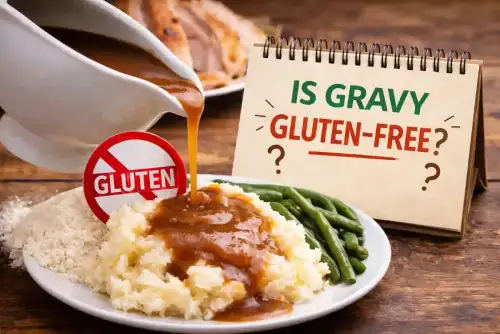
Celiac.com 05/02/2026 - Gravy can be gluten-free, but traditional gravy often is not. In many kitchens, gravy is made with wheat flour as a thickener, which means it usually contains gluten unless it is specifically prepared another way. For people with celiac disease or gluten sensitivity, that makes gravy one of those foods that looks simple but can be surprisingly risky.
The key point is this: gravy is not automatically safe just because it is made from meat drippings, broth, and seasonings. The thickener matters. The ingredients matter. The kitchen handling matters. One gravy may be perfectly safe, while another can contain enough gluten to cause serious problems.
Why Traditional Gravy Usually Contains Gluten
Celiac.com Sponsor (A12):
Classic gravy is often made by starting with pan drippings or broth, then adding flour to create a roux or slurry that thickens the liquid into the smooth texture people expect. Wheat flour is widely used because it is inexpensive, familiar, and effective.
That means many homemade gravies, restaurant gravies, holiday gravies, jarred gravies, canned gravies, and gravy mixes are not gluten-free by default. Even when the gravy is served with foods that seem naturally gluten-free, such as turkey, mashed potatoes, or roast beef, the gravy itself may still be the hidden source of gluten.
For people on a strict gluten-free diet, this is important because gravy is easy to overlook. Many people focus on the main dish and forget that sauces can be one of the most common places where gluten appears.
When Gravy Can Be Gluten-Free
Gravy can absolutely be made gluten-free if the recipe avoids wheat-based thickeners. Some cooks use cornstarch, arrowroot, potato starch, rice flour, or another gluten-free thickening ingredient instead of wheat flour. When done carefully, the result can be just as rich and flavorful as traditional gravy.
A truly gluten-free gravy can also come from packaged products, but only if the ingredients are clearly safe and the labeling supports that conclusion. Some brands make gluten-free gravy mixes or ready-made gravies specifically for people who avoid gluten. These can be helpful, especially during busy holiday meals or when cooking for guests with dietary restrictions.
Still, not all packaged gravies are equal. A gravy labeled “homestyle” or “savory” does not tell you anything about whether it contains gluten. The label must be checked every time, because ingredients and formulas can change.
Where Gluten Hides in Gravy
The most obvious source of gluten in gravy is wheat flour, but it is not the only concern. Some gravies contain malt flavoring, modified food starch from uncertain sources, hydrolyzed wheat ingredients, or seasoning blends that may introduce gluten. Packaged mixes may also contain anti-caking agents, flavor bases, or soup-style concentrates that are not safe for people with celiac disease.
Restaurant gravy can be even harder to evaluate. A server may know that the gravy contains meat drippings and broth, but not realize that flour was added in the kitchen. In some cases, the gravy may be made from a premixed base, and the staff may not know all of the ingredients.
Cross-contact can also be a problem. A gravy may begin with gluten-free ingredients, but if it is prepared with shared utensils, near breaded foods, or in a kitchen where flour is everywhere, the final product may no longer be safe.
Why Gravy Is Especially Important for People with Celiac Disease
For people with celiac disease, gravy is more than a minor detail. Even a small amount of wheat-based thickener can trigger symptoms and cause intestinal damage. Since gravy is poured over other foods, it can spread gluten across an otherwise safe meal in seconds.
This matters most during holiday dinners, family gatherings, catered meals, and restaurant visits. Someone may carefully select plain turkey, potatoes, or vegetables, only to have the whole meal become unsafe because gravy was added without question. Once gravy touches the food, the meal is no longer safe for someone who must avoid gluten completely.
That is why people with celiac disease often learn to treat sauces with caution. Gravy may seem harmless, but it is a classic example of a hidden-gluten food.
What This Means for People with Gluten Sensitivity
For people with gluten sensitivity, gravy can still be a problem even if the medical consequences differ from celiac disease. A gravy made with wheat flour may cause bloating, digestive upset, fatigue, headaches, or other unpleasant symptoms. Because reactions vary so much from person to person, some individuals may be able to tolerate trace amounts better than others, but many still find that traditional gravy is worth avoiding.
The safest approach is often the same as it is for celiac disease: do not assume. Ask how the gravy was made. Read labels closely. Choose a product or recipe that is clearly gluten-free rather than hoping that a small serving will be harmless.
Homemade Gravy Can Be the Best Option
One of the easiest ways to make gravy safe is to prepare it at home. Homemade gluten-free gravy allows you to control every ingredient and avoid surprises. Instead of wheat flour, a cook can use cornstarch or another gluten-free starch to thicken broth or pan drippings. The flavor can still be deep and satisfying, especially when seasoned well with herbs, salt, pepper, and roasted meat juices.
Making it at home also helps avoid cross-contact. If the kitchen is managed carefully, the person eating gluten-free can be confident that no flour was added and that safe utensils and cookware were used.
For many gluten-free households, homemade gravy becomes the preferred solution during holidays because it removes the guesswork. It can also help the whole family enjoy the same meal without needing separate dishes that feel less festive.
Packaged Gravy Mixes and Ready-Made Gravies
Packaged gravies can be convenient, but convenience should never replace caution. Some gravy mixes are clearly unsafe because wheat is listed right on the label. Others may not list obvious gluten ingredients but still lack a clear gluten-free claim, leaving room for uncertainty.
Ready-made gravies in jars or cans can present the same issue. The only reliable way to know is to check the ingredient label and allergen information each time you buy it. Even a brand you trusted before can change its recipe later.
For someone with celiac disease, a clearly labeled gluten-free gravy product is usually the safest packaged option. For someone with gluten sensitivity, the same label can still be helpful in reducing the chances of a reaction.
Restaurant and Holiday Meal Risks
Gravy becomes especially risky when someone else prepares the food. Restaurant gravies often rely on flour-based roux because that is standard culinary practice. Holiday meals are another common trouble spot. Well-meaning friends and relatives may think the turkey or potatoes are safe, while forgetting that the gravy was made with flour in the roasting pan.
In some cases, even if a gluten-free gravy is made separately, serving spoons may be shared between safe and unsafe dishes. A spoon dipped into regular gravy and then into gluten-free gravy can contaminate the whole bowl.
For people with celiac disease, asking detailed questions about gravy is not being difficult. It is simply part of staying healthy. The same is true for anyone with strong gluten sensitivity who knows that a small mistake can ruin an entire day or more.
Questions Worth Asking
If you are not the one making the meal, it helps to ask direct questions. Was wheat flour used? Was the gravy thickened with cornstarch or something else? Is it from a mix? Was it prepared separately from gluten-containing foods? Were shared utensils used?
These questions may feel awkward at first, but they can prevent accidental exposure. In many cases, people preparing the meal simply have not thought about gravy as a gluten issue. Once asked, they may be happy to explain or offer an alternative.
How to Enjoy Gravy Safely on a Gluten-Free Diet
The good news is that people with celiac disease or gluten sensitivity do not have to give up gravy completely. They simply need a version that is made with safe ingredients and handled properly. A well-made gluten-free gravy can taste just as comforting and flavorful as a traditional one.
The safest strategy is to rely on known recipes, trusted brands, and careful kitchen habits. If you are eating away from home, never assume that gravy is safe just because the rest of the meal appears simple. It is often the smallest part of the plate that causes the biggest problem.
The Bottom Line
Gravy is not automatically gluten-free, and in many cases traditional gravy contains wheat flour. That makes it a common hidden source of gluten for people with celiac disease and gluten sensitivity. The safest way to enjoy gravy is to use a recipe or product that is clearly gluten-free and to watch carefully for cross-contact.
For people with celiac disease, this is especially important because even a small amount of gluten in gravy can contaminate an entire meal. For people with gluten sensitivity, the same caution can help prevent unpleasant reactions and confusion about what caused symptoms.
The good news is that gluten-free gravy is absolutely possible. With the right ingredients and a little planning, gravy can still be part of a comforting meal without putting anyone’s health at risk.







Recommended Comments
There are no comments to display.
Create an account or sign in to comment
You need to be a member in order to leave a comment
Create an account
Sign up for a new account in our community. It's easy!
Register a new accountSign in
Already have an account? Sign in here.
Sign In Now