



Celiac.com 03/25/2026 - Few ingredients cause as much label confusion as “natural smoke flavor” or “smoke flavoring.” It appears in everything from deli meats and barbecue sauces to chips, plant-based meats, soups, and frozen meals. Because it sounds vague and sometimes appears without further explanation, many people with celiac disease or gluten sensitivity wonder whether smoke flavor might hide gluten.
This article explains what smoke flavor is, how it is made, where gluten could theoretically enter the picture, and what it means for people who must avoid gluten strictly.
What Is Smoke Flavor?
Celiac.com Sponsor (A12):
Smoke flavor, often listed as “natural smoke flavor” or “smoke flavoring,” is a concentrated ingredient designed to mimic the taste of wood smoke. Instead of smoking food for hours over a fire, manufacturers capture smoke from burning wood and condense it into a liquid or powder. That condensed product is then filtered, refined, and added to food to provide a smoky taste.
The source of the smoke is typically hardwoods such as hickory, applewood, mesquite, or oak. The wood is burned in a controlled environment, and the resulting smoke is captured and cooled. As the smoke cools, it condenses into droplets that contain the flavor compounds responsible for that familiar barbecue taste.
After condensation, the liquid is filtered to remove ash and impurities. The final product may remain as a liquid or be dried and blended with a carrier ingredient to create a powder.
Is Smoke Flavor Made From Gluten?
In most cases, smoke flavor itself is derived from wood, not wheat, barley, or rye. Wood is naturally gluten-free. Therefore, the core smoke condensate does not inherently contain gluten.
However, gluten concerns do not always come from the primary ingredient. They can arise from processing, added carriers, or cross-contact during manufacturing. That is why understanding the full ingredient context matters.
Where Gluten Concerns Can Arise
Carrier Ingredients in Powdered Smoke Flavor
When smoke flavor is sold in powdered form, it is often blended with a carrier to help distribute the flavor evenly in dry products. Common carriers include maltodextrin, salt, or other starches.
Maltodextrin in the United States is typically derived from corn or potato and is considered gluten-free. Even when maltodextrin is derived from wheat, the processing removes gluten proteins to very low levels. Under United States labeling laws, wheat must be declared if it is present.
In other countries, labeling rules may vary slightly. Still, most large food manufacturers use gluten-free carriers for broad consumer compatibility.
Barley Malt Extract in Flavored Products
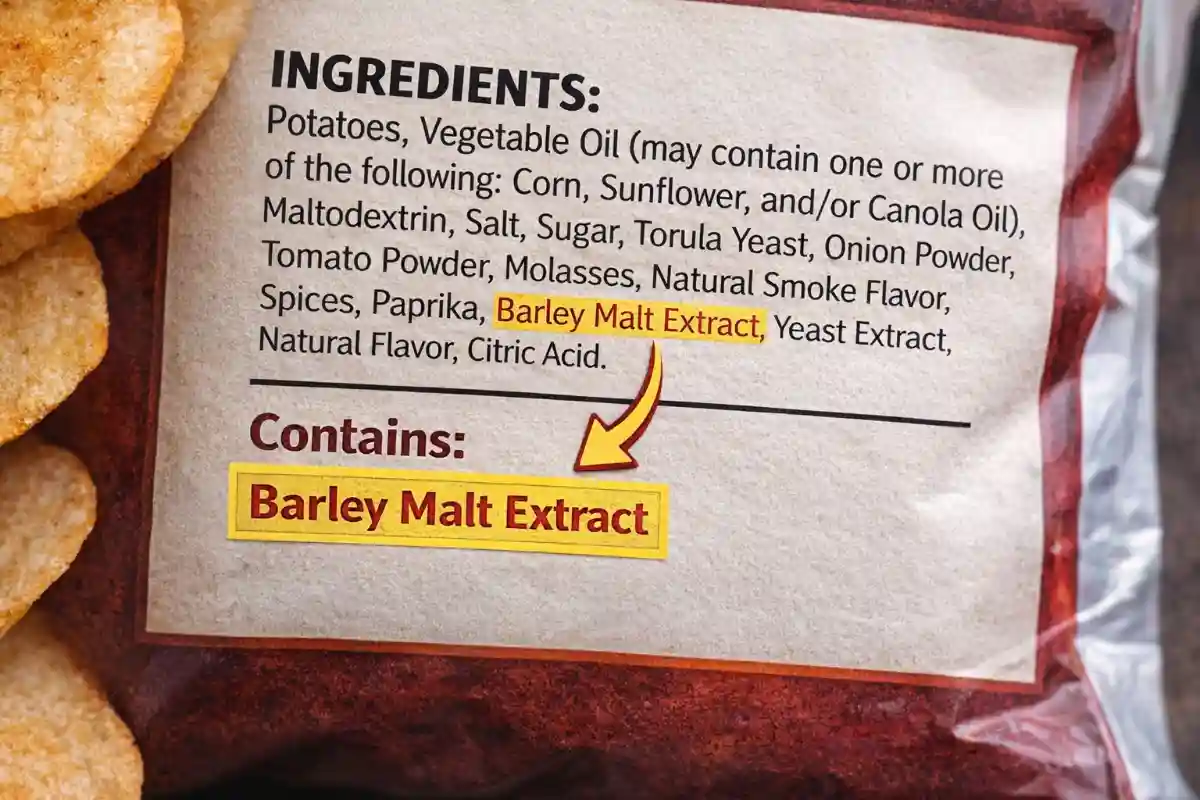
Sometimes the confusion around smoke flavor does not come from the smoke ingredient itself but from the overall product formula. For example, a barbecue-flavored snack might contain smoke flavor and also include barley malt extract for sweetness or color. In that case, the gluten risk comes from the barley ingredient, not from the smoke flavor.
This is why it is important to read the full ingredient list rather than focusing only on the smoke flavor line.
Cross-Contact During Manufacturing
Cross-contact is another possible concern. If smoke flavor is produced in a facility that also processes wheat-based ingredients, there is a theoretical risk of cross-contact. However, large ingredient manufacturers typically follow strict quality control standards, and smoke flavor suppliers often serve multiple food sectors that require allergen control.
If a finished product carries a “may contain wheat” statement, that advisory applies to the entire product, not specifically to the smoke flavor component.
Understanding “Natural Flavor” vs. “Natural Smoke Flavor”
Another layer of confusion comes from the broader term “natural flavor.” Under food labeling laws, natural flavors can be derived from plant or animal sources. They are not required to list each underlying component unless they contain one of the major allergens that must be declared.
In the United States, wheat is a major allergen and must be clearly identified. Barley and rye are not classified as major allergens under federal law, but they must still appear in the ingredient list if used directly as ingredients.
“Natural smoke flavor” specifically refers to flavor derived from smoke. It is different from generic “natural flavor.” That distinction is important for consumers reading labels carefully.
Is Liquid Smoke Gluten-Free?
Liquid smoke sold in bottles for home cooking is generally made from condensed wood smoke and water. Most mainstream brands contain only water and smoke condensate. These products are typically considered gluten-free.
As always, reading the ingredient label is essential. If a liquid smoke product includes additional ingredients such as flavorings or colorings, verify that none contain gluten.
What Do Food Safety Experts Say?
Food safety experts and celiac advocacy organizations generally consider pure smoke flavor to be gluten-free because it originates from wood. The risk arises only if gluten-containing ingredients are added separately or if cross-contact occurs in manufacturing.
In the United States, if a packaged food is labeled “gluten-free,” it must contain fewer than twenty parts per million of gluten. Many products containing smoke flavor carry gluten-free labeling, especially in the snack and meat categories.
Common Foods That Contain Smoke Flavor
- Barbecue sauces
- Deli meats and bacon
- Flavored chips and crackers
- Plant-based meat alternatives
- Seasoning blends
- Frozen prepared meals
In most cases, the presence of smoke flavor does not automatically signal gluten. However, flavored snack foods sometimes include barley malt or wheat-based ingredients, so careful label reading remains important.
What This Means for People With Celiac Disease
For individuals with celiac disease, strict gluten avoidance is medically necessary. The good news is that smoke flavor itself is almost always gluten-free because it comes from wood. It is not made from wheat, barley, or rye.
However, vigilance is still required. Rather than avoiding smoke flavor outright, focus on the overall product label. Look for:
- Clear gluten-free labeling
- Wheat listed in the allergen statement
- Barley or rye listed in the ingredient list
- Advisory statements about shared equipment
If you are unsure, contacting the manufacturer can provide clarity. Many companies maintain allergen hotlines or provide online allergen information.
What This Means for People With Gluten Sensitivity
People with non-celiac gluten sensitivity may react to gluten but do not experience the same autoimmune intestinal damage seen in celiac disease. For this group, smoke flavor is also unlikely to be a direct gluten source.
That said, some individuals report sensitivity to highly processed or strongly flavored foods in general. If symptoms occur after consuming a smoky product, consider reviewing the entire ingredient list rather than assuming smoke flavor is responsible.
Practical Takeaways
Smoke flavor, whether liquid or powdered, is usually gluten-free because it is derived from wood. Confusion often arises because the ingredient sounds vague and is not fully explained on packaging.
For people with celiac disease or gluten sensitivity:
- Do not assume smoke flavor contains gluten.
- Read the full ingredient list carefully.
- Check for wheat, barley, or rye elsewhere in the product.
- Look for gluten-free labeling when possible.
- Contact manufacturers if uncertain.
Final Thoughts
Ingredient labels can be intimidating, especially when terms are not clearly defined. Smoke flavor is one of those ingredients that sounds mysterious but is generally safe for a gluten-free diet when used alone.
The key is to evaluate the entire product, not just one ingredient line. With careful label reading and awareness of allergen disclosures, most foods containing smoke flavor can fit safely into a gluten-free lifestyle.
As always, when in doubt, verify before consuming. Informed choices help protect your health and reduce unnecessary dietary restrictions.











Recommended Comments
There are no comments to display.
Create an account or sign in to comment
You need to be a member in order to leave a comment
Create an account
Sign up for a new account in our community. It's easy!
Register a new accountSign in
Already have an account? Sign in here.
Sign In Now