


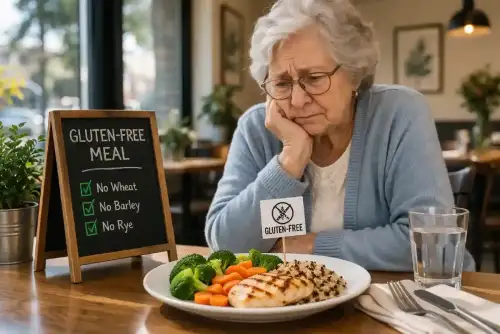
Celiac.com 05/04/2026 - A recent legal case in the United States has brought renewed attention to a critical issue for people with celiac disease: the real-world consequences of unsafe “gluten-free” food. The case involves a woman with celiac disease who sued a retirement community after allegedly becoming ill multiple times from meals labeled as gluten-free.
The United States Court of Appeals for the Fourth Circuit ruled that some of her claims should move forward to trial, particularly those involving breach of contract and negligence. This decision highlights a growing recognition that providing safe gluten-free food is not simply a courtesy—it can be a legal obligation.
The Background of the Case
Celiac.com Sponsor (A12):
The case centers on a woman who moved into a retirement community after being assured that her strict gluten-free dietary needs could be safely accommodated. Because she has celiac disease, even small amounts of gluten can trigger significant health problems.
According to the case details, she experienced several episodes of illness after eating meals that were presented as gluten-free. These incidents included multiple meals over several years, culminating in a serious episode in 2021 after consuming a dish that was believed to be safe.
After these incidents, she filed a lawsuit alleging that the facility failed to meet its obligations. Her claims included breach of contract and negligence, along with several disability-related claims under federal law.
What the Court Decided
The appellate court made a mixed ruling. It allowed the woman’s claims for breach of contract and negligence related to the 2021 incident to move forward. The court determined that there were unresolved factual questions that should be decided by a jury.
In simple terms, the court said that there is enough evidence to reasonably question whether the retirement community failed to provide what it promised. This means a trial will be needed to determine whether the facility is legally responsible.
At the same time, the court dismissed several other claims, including those related to federal disability laws. These were rejected primarily due to procedural issues, such as timing and the inability to demonstrate ongoing risk.
Why This Case Is So Important
This case is significant because it reinforces a key truth for people with celiac disease: gluten-free food is not a preference—it is a medical necessity. For individuals with this condition, even small amounts of gluten can lead to serious health consequences.
The court’s decision suggests that when an organization promises to provide safe gluten-free meals, it may be held accountable if it fails to do so. This is especially important in environments like retirement communities, hospitals, and schools, where individuals rely heavily on others for food preparation.
The case also highlights the difference between labeling food as gluten-free and actually ensuring that it is safe. Cross-contamination, improper ingredients, or inadequate training can all lead to dangerous outcomes.
The Challenges of Providing Safe Gluten-Free Food
Preparing truly safe gluten-free meals requires more than simply removing wheat from a recipe. It involves strict attention to detail at every stage of food preparation.
This includes:
- Using dedicated cooking equipment and utensils
- Preventing cross-contact in shared kitchen spaces
- Carefully sourcing and verifying ingredients
- Training staff to understand the seriousness of celiac disease
In the case at hand, the retirement community reportedly made efforts to improve its processes, including staff training and menu adjustments. However, the existence of continued problems raises questions about whether those measures were sufficient.
The Legal Concept of Responsibility
One of the most important aspects of this case is the idea of responsibility. When a facility enters into an agreement with a resident and promises to meet specific dietary needs, that promise can become part of a legal contract.
If that promise is broken and results in harm, it may give rise to legal claims such as negligence or breach of contract. The court’s decision to allow these claims to proceed signals that such obligations are taken seriously.
It also emphasizes that organizations cannot simply rely on good intentions. They must demonstrate that they have taken reasonable and effective steps to ensure safety.
What This Means for People with Celiac Disease
For individuals with celiac disease or gluten sensitivity, this case carries several important implications.
First, it reinforces the importance of advocating for your needs. If a facility promises to provide safe food, you have the right to expect that promise to be fulfilled.
Second, it highlights the importance of vigilance. Even in environments that claim to accommodate gluten-free diets, mistakes can happen. Being aware of risks and asking questions about food preparation remains essential.
Third, it offers a measure of legal protection. This case suggests that individuals may have recourse if they are harmed due to unsafe food practices, particularly when there is a clear agreement in place.
Broader Implications for Institutions
This case may also influence how institutions approach gluten-free accommodations in the future. Facilities that provide food services may need to take additional steps to ensure compliance and reduce risk.
This could include:
- More rigorous staff training programs
- Improved kitchen protocols
- Clearer communication with residents and guests
- Regular audits of food safety practices
Organizations may also become more cautious about making promises they cannot fully guarantee, especially when it comes to medically necessary diets.
The Human Side of the Issue
Beyond the legal and procedural details, this case underscores the human impact of celiac disease. Living with this condition requires constant attention to food choices and a high level of trust in those who prepare meals.
When that trust is broken, the consequences go beyond physical symptoms. It can lead to anxiety, loss of confidence, and a reduced sense of safety in everyday environments.
For many people with celiac disease, the ability to eat safely is fundamental to maintaining independence and quality of life.
Conclusion
This case represents an important moment in the ongoing recognition of celiac disease as a serious medical condition that demands careful handling. The court’s decision to allow key claims to proceed sends a clear message: providing safe gluten-free food is not optional when it has been promised.
For those living with celiac disease or gluten sensitivity, the case highlights both the challenges and the progress being made. While risks remain, there is growing awareness that safety must be prioritized and that accountability matters.
Ultimately, this case may help drive improvements in how gluten-free diets are managed in institutional settings, leading to safer environments and better outcomes for those who depend on them.
Read more at: thedailyrecord.com










Recommended Comments
Create an account or sign in to comment
You need to be a member in order to leave a comment
Create an account
Sign up for a new account in our community. It's easy!
Register a new accountSign in
Already have an account? Sign in here.
Sign In Now