


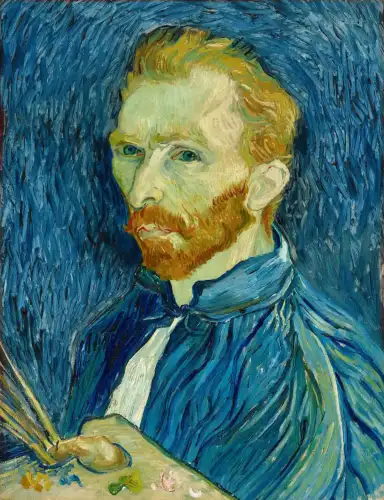
Celiac.com 05/15/2026 - It is an intriguing question: did Vincent van Gogh, one of the most famous artists in history, have celiac disease? The honest answer is that no one can know for certain. He lived in the nineteenth century, long before modern testing for celiac disease existed, and many of the health problems described in his letters and in historical accounts could fit more than one explanation.
Still, the question is worth exploring because van Gogh suffered from repeated physical and mental distress, poor nutrition, digestive trouble, weakness, and periods of severe decline. For people today who live with celiac disease or gluten sensitivity, his story raises an interesting possibility: how many people in earlier centuries may have suffered for years with undiagnosed food-related illness?
Why People Wonder About Celiac Disease
Celiac.com Sponsor (A12):
Celiac disease is an autoimmune illness in which eating gluten triggers damage to the small intestine. Over time, that damage can interfere with the absorption of nutrients and can contribute to a wide range of problems. Many people think first of stomach pain, diarrhea, or weight loss, but celiac disease can also affect the brain, mood, skin, bones, nerves, and overall energy level.
That broad symptom pattern is one reason van Gogh sometimes comes up in conversations about possible historical cases. He was known to struggle with poor health, exhaustion, digestive complaints, malnourishment, and psychological instability. Since untreated celiac disease can sometimes contribute to nutrient deficiencies, fatigue, depression, irritability, and even neurological symptoms, it is understandable that some people see a possible connection.
Symptoms That Could Fit the Theory
Van Gogh often lived under harsh conditions. He could be intensely focused on painting and neglect eating properly for long stretches. Reports about his life describe weakness, poor diet, episodes of illness, and general physical decline. These details can sound familiar to people who know how untreated celiac disease may look in real life.
Some features that can make the celiac theory seem plausible include:
- chronic poor health and low body weight
- possible digestive upset
- periods of exhaustion and collapse
- poor nutritional status
- mental and emotional instability that could have been worsened by malabsorption
It is also important to remember that in the nineteenth century, even common medical problems were often poorly understood. Someone with chronic nutrient deficiency might not have been recognized as having an intestinal disease at all. Instead, their symptoms might have been blamed on temperament, stress, alcohol, or vague “nervous” illness.
The Major Problem With the Theory
The strongest argument against making a firm claim is simple: the evidence is incomplete. Van Gogh did not leave behind a medical workup that would allow modern doctors to diagnose him. There is no blood test, no biopsy, and no clear record showing the classic pattern of celiac disease.
Even more important, many of his known problems have other possible explanations. He lived with extreme emotional stress, poverty, social isolation, irregular meals, heavy tobacco use, and probable alcohol overuse. He may also have had another medical or psychiatric condition entirely unrelated to gluten. When a person is under that many strains at once, symptoms can overlap in confusing ways.
That means it would be a mistake to say, with confidence, that van Gogh had celiac disease. At best, it remains an interesting but unproven theory.
Other Explanations Historians and Doctors Have Considered
Over the years, many theories have been proposed to explain van Gogh’s health struggles. These have included epilepsy, mood disorders, severe depression, nutritional deficiency, alcohol-related illness, and poisoning or toxic exposure from substances common in his era. Some have also suggested that his famously erratic behavior may have had multiple causes rather than a single diagnosis.
This matters because untreated celiac disease can mimic other illnesses. A person might appear anxious, depressed, frail, or chronically sick, while the underlying cause is intestinal damage and malabsorption. On the other hand, a person with alcoholism, chronic starvation, or another neurological disorder can also develop symptoms that look very similar to those seen in celiac disease.
In van Gogh’s case, several of these explanations may overlap. It is entirely possible that he suffered from severe nutritional stress without having celiac disease at all. It is also possible that an underlying condition such as celiac disease, if present, made everything else worse.
Could Gluten Have Worsened His Condition?
This is a more reasonable question than asking whether he definitely had celiac disease. In the Europe of van Gogh’s time, bread was a basic food, especially for someone with little money. If he did have celiac disease, gluten would likely have been a constant part of his diet. That could have kept his body in a state of ongoing inflammation and poor nutrient absorption.
For a person already living under stress, that would have been a serious burden. Iron deficiency, vitamin deficiencies, weight loss, weakness, low mood, and reduced resilience could all become more severe. In that sense, gluten-related illness could have acted as an invisible amplifier, making an already difficult life even harder.
But again, this remains speculation. It is possible, not proven.
What This Question Reveals About Celiac Disease
Whether or not van Gogh had celiac disease, the question itself highlights something very important: celiac disease has probably been underrecognized for much of human history. Today many people still go years without diagnosis, especially when their symptoms are not obviously digestive.
Some people mainly experience:
- brain fog
- chronic fatigue
- anemia
- migraines
- anxiety or depression
- nerve symptoms
- skin problems
- bone loss
Because the illness can look so different from one person to another, it is easy for it to be missed. Looking back at a historical figure like van Gogh reminds us how many suffering people may have been misunderstood, labeled, or dismissed when the true cause of at least part of their illness was hidden.
What This Means for People With Celiac Disease Today
For people living with celiac disease now, the main lesson is not about solving a historical mystery. It is about taking the disease seriously. If untreated celiac disease can affect energy, mood, nutrition, and overall functioning so deeply, then early recognition matters enormously.
People with celiac disease or gluten sensitivity often know what it feels like to be doubted when symptoms do not fit the stereotype. Many are told for years that their problems are stress, anxiety, poor sleep, or simply part of their personality. Historical speculation about van Gogh speaks to that experience. It reminds us that chronic illness can shape a life in ways that others do not fully see.
It also emphasizes the importance of full-body thinking. Celiac disease is not just a stomach issue. It can affect the entire person. Proper diagnosis, strict treatment, and attention to nutritional recovery can make an enormous difference in health and quality of life.
What This Means for People With Gluten Sensitivity
For people with non-celiac gluten sensitivity, the discussion is also meaningful. Even without the autoimmune intestinal damage seen in celiac disease, some individuals report that gluten affects their thinking, mood, energy, or digestion in significant ways. Historical cases like van Gogh cannot prove anything about gluten sensitivity, but they do encourage a broader view of how food-related illness may influence the mind and body together.
The key point is that symptoms deserve attention, even when they are complicated. A person does not need to fit a narrow textbook picture to be struggling with something real.
A Balanced Conclusion
Did Vincent van Gogh have celiac disease? There is no solid proof, and it would be wrong to claim a diagnosis with certainty. At the same time, the idea is not absurd. Some aspects of his health history are at least compatible with untreated celiac disease or another disorder involving malnutrition and chronic physical stress.
In the end, van Gogh’s case is best viewed as a thought-provoking possibility rather than a solved medical mystery. For modern readers, especially those with celiac disease or gluten sensitivity, the larger message is clear: hidden illnesses can shape lives in profound ways, and people who appear troubled, fragile, or difficult may in fact be suffering from conditions that medicine has not yet recognized.
That is one reason awareness matters so much. If a condition like celiac disease can quietly damage the body and affect the mind, then every earlier diagnosis, every better screening decision, and every patient taken seriously has the power to change a life.












Recommended Comments
There are no comments to display.
Create an account or sign in to comment
You need to be a member in order to leave a comment
Create an account
Sign up for a new account in our community. It's easy!
Register a new accountSign in
Already have an account? Sign in here.
Sign In Now