


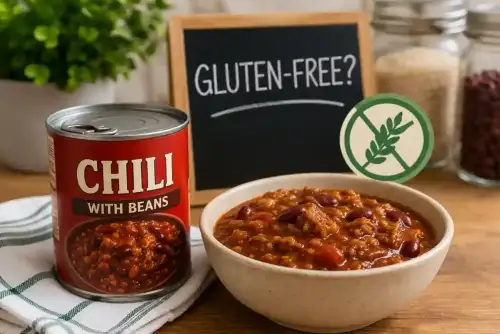
Celiac.com 05/06/2026 - Canned chili is one of those convenient foods many people rely on for a quick, filling meal. Whether it is stored in the pantry for busy nights or taken along on trips, it has long been valued for its ease and comfort. But for individuals with celiac disease or gluten sensitivity, convenience foods always come with an important question: is it actually safe?
At first glance, chili seems like it should naturally be gluten-free. After all, it is typically made from meat, beans, tomatoes, and spices. However, the reality is not always so simple. Ingredients, processing methods, and labeling practices can all affect whether a canned chili is truly safe to eat.
Why Chili Seems Naturally Gluten-Free
Celiac.com Sponsor (A12):
Traditional chili recipes are built around ingredients that do not contain gluten. Beans, ground meat, tomatoes, peppers, onions, and spices are all naturally free of gluten. In a homemade setting, it is relatively easy to prepare chili that is completely safe.
This is why many people assume that canned chili must also be gluten-free. In many cases, that assumption is correct. However, packaged foods often include additional ingredients that are not part of traditional recipes, and these additions can introduce gluten.
Hidden Sources of Gluten in Canned Chili
One of the biggest risks in canned chili comes from ingredients that are not immediately obvious. Manufacturers sometimes add thickeners, flavor enhancers, or preservatives that may contain gluten.
Common hidden sources include:
- Wheat-based thickeners: Some chili products use flour or modified food starch derived from wheat to create a thicker texture.
- Flavoring blends: Seasoning mixes may include ingredients that contain gluten or are processed in facilities that handle wheat.
- Hydrolyzed proteins: Certain processed protein additives can be derived from wheat unless specifically labeled otherwise.
- Barley-based ingredients: Occasionally used in flavoring, these can introduce gluten even in small amounts.
Because these ingredients are not always obvious, reading labels carefully becomes essential.
The Role of Cross-Contamination
Even when the ingredient list appears safe, there is another factor to consider: cross-contamination. This occurs when gluten-containing foods come into contact with gluten-free foods during manufacturing.
Many food production facilities process a wide range of products, including those that contain wheat. If proper precautions are not taken, trace amounts of gluten can end up in foods that would otherwise be safe.
For individuals with celiac disease, even small amounts of gluten can trigger symptoms and cause intestinal damage. This is why labeling and manufacturing practices matter just as much as the ingredient list itself.
Understanding Labels and Certifications
When choosing canned chili, labels are your most important tool. A product labeled “gluten-free” must meet specific standards that limit the amount of gluten it can contain. These labels provide an extra level of assurance.
Some products also carry third-party certifications, which can offer additional confidence. These certifications often involve stricter testing and verification processes.
However, not all safe products are labeled as gluten-free. Some manufacturers do not pursue certification even if their product contains no gluten ingredients. In these cases, careful label reading and, when necessary, contacting the manufacturer can help clarify safety.
Ingredients to Look for—and Avoid
When evaluating canned chili, it is helpful to know what to look for.
Generally safe ingredients include:
- Beans
- Meat and poultry
- Tomatoes and vegetables
- Plain spices and herbs
Ingredients that require caution include:
- Wheat or wheat flour
- Barley or malt
- Unspecified “modified food starch”
- Ambiguous flavorings or additives
When in doubt, it is always safer to choose a product that clearly states it is gluten-free.
Different Types of Canned Chili
Not all canned chili is the same. Variations in recipes can influence gluten risk.
Bean chili: Often simpler and more likely to be gluten-free, but still requires label checking.
Meat chili: Typically safe, but may include added sauces or thickeners.
Chili with pasta or added ingredients: More likely to contain gluten and should be avoided unless clearly labeled gluten-free.
Understanding these differences can help you make safer choices.
Why Gluten-Free Matters More Than Ever
For people with celiac disease, consuming gluten is not just uncomfortable—it can lead to serious health consequences. Repeated exposure can damage the small intestine and interfere with nutrient absorption.
For those with gluten sensitivity, the symptoms may vary but can still significantly impact quality of life. This makes careful food selection essential, even for products that seem safe at first glance.
The growing demand for gluten-free options has led to improvements in labeling and product availability. However, this also means that consumers must stay informed and vigilant.
Tips for Choosing Safe Canned Chili
- Look for gluten-free labeling: This is the simplest and most reliable indicator.
- Read the full ingredient list: Do not rely on assumptions based on the type of food.
- Check for allergen statements: Many labels indicate whether wheat is present.
- Be cautious with new brands: Even similar products can have different formulations.
- Contact manufacturers if needed: When information is unclear, reaching out can provide answers.
Making Your Own as a Safe Alternative
For those who want complete control over ingredients, making chili at home is a reliable option. Homemade chili allows you to select every component and eliminate any uncertainty.
It can also be prepared in large batches and stored for later use, providing the same convenience as canned chili with added peace of mind.
Conclusion
Canned chili can be gluten-free, but it is not guaranteed. While many varieties are made with naturally gluten-free ingredients, hidden additives and cross-contamination can introduce risks. For individuals with celiac disease or gluten sensitivity, careful label reading and informed choices are essential.
The good news is that awareness and product availability continue to improve. With the right knowledge, it is entirely possible to enjoy the convenience of canned chili without compromising safety. By staying vigilant and choosing products wisely, people with gluten-related conditions can continue to enjoy comforting, satisfying meals with confidence.








Recommended Comments
Create an account or sign in to comment
You need to be a member in order to leave a comment
Create an account
Sign up for a new account in our community. It's easy!
Register a new accountSign in
Already have an account? Sign in here.
Sign In Now