



Celiac.com 05/18/2026 - For people with celiac disease, avoiding gluten is not just a lifestyle choice. It is the central part of treatment. Even small exposures can cause worry, symptoms, and concern about ongoing intestinal injury. Because of this, many people with celiac disease become cautious not only about food, but also about less obvious ways gluten might spread.
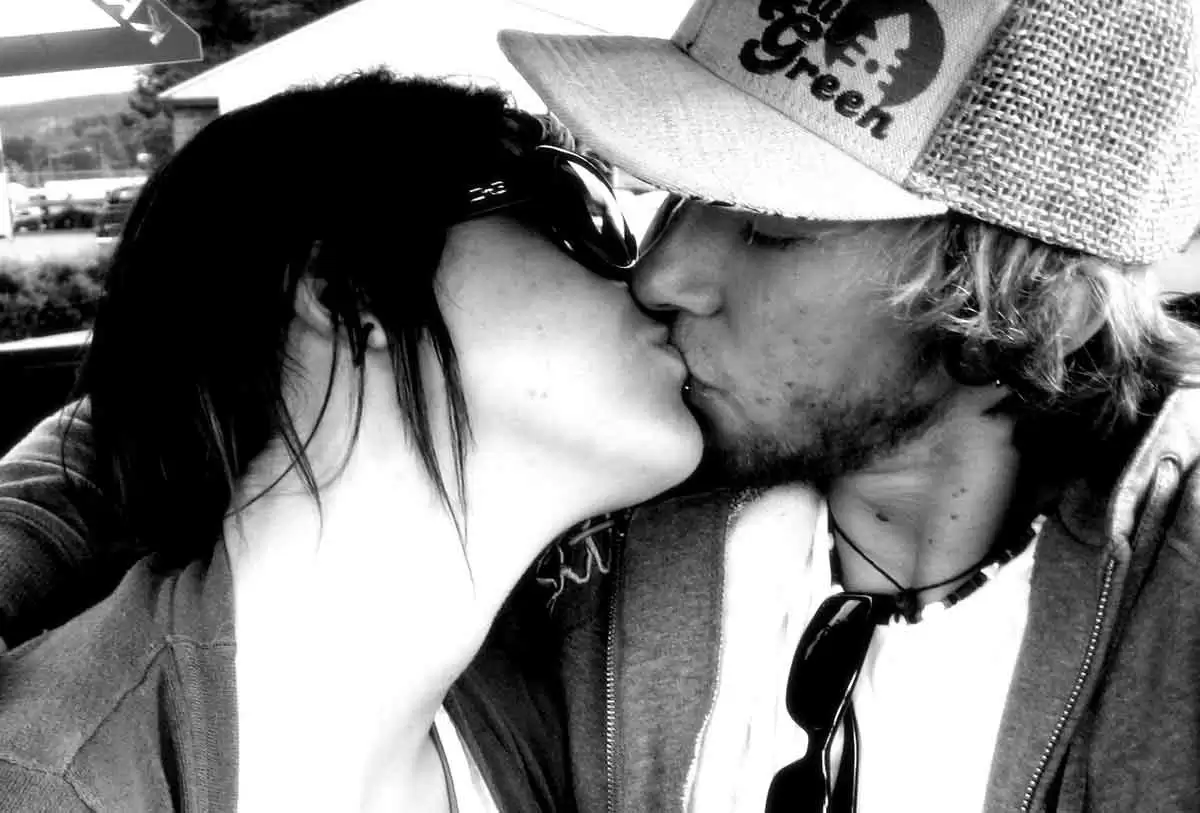
One common concern is kissing. Many people have wondered whether kissing a partner who recently ate gluten could expose them to enough gluten to matter. This fear can create stress in dating, marriage, and everyday intimacy. Until now, however, there has been very little actual research measuring whether gluten transfer through kissing really happens and whether the amount transferred is likely to be important.
Celiac.com Sponsor (A12):
This study set out to answer that question in a practical and measurable way.
How the Study Was Done
The researchers looked at couples in which one partner had celiac disease and the other did not. The goal was to see whether gluten could be passed from the partner without celiac disease to the partner with celiac disease during kissing after eating a gluten-containing food.
The partner without celiac disease ate a set amount of crackers containing a known quantity of gluten. After that, the couples followed two different kissing situations. In one situation, the partner who ate the crackers waited five minutes and then kissed their partner. In the other situation, that partner drank a small glass of water right after eating and then kissed their partner immediately.
After the kiss, the researchers collected saliva from the partner with celiac disease and tested it for gluten. They also used urine testing as part of their effort to evaluate exposure. This gave the study a more direct way to measure whether gluten transfer occurred, instead of relying only on people guessing what might have happened.
What the Researchers Found
The study showed that gluten transfer through kissing can happen, but the amount that reached the partner with celiac disease was usually very low. In most cases, the measured amount stayed below the level commonly used as the cutoff for gluten-free food products.
Only a small number of exposures went above that threshold. That means that while transfer was possible, it was not usually large. This is an important point, because many people may imagine that kissing after gluten exposure creates a major risk every time. The results suggest that this is generally not the case.
The most reassuring result came from the water step. When the partner without celiac disease drank four ounces of water after eating gluten and before kissing, none of the saliva samples from the partner with celiac disease went above the usual gluten-free threshold. In other words, this very simple action appeared to reduce the risk even further.
The study also found that a large share of samples after the water step had no detectable gluten at all. That does not mean there is never any chance of transfer, but it does suggest that a quick rinse with water may be an easy and realistic way to lower concern.
What the Results Mean in Everyday Life
This study helps separate fear from measured reality. Many people with celiac disease worry that kissing a partner who recently ate gluten is automatically dangerous. These findings suggest that the risk is much smaller than many people may assume, especially if the partner takes the simple step of drinking water first.
That matters because social and emotional burdens are a big part of living with celiac disease. Strict gluten avoidance already affects meals, travel, restaurants, school, work, and family gatherings. If people also feel they need to fear routine physical affection, that can add another layer of isolation and anxiety.
The findings do not suggest that people with celiac disease should stop being careful. Rather, they provide a more balanced and evidence-based view. Instead of relying on internet rumors or extreme rules, couples can make decisions based on actual data. For many, that may mean feeling more comfortable with normal affection and less worried about accidental exposure in this setting.
Why the Water Step Matters
One of the most useful parts of the study is how simple the protective step was. The partner without celiac disease did not need to brush their teeth, use special products, or wait a long time. Just drinking a small glass of water after eating gluten appeared to reduce the remaining risk to a very low level.
That is practical advice because it can be used easily in real life. Couples do not need a complicated routine. If one partner has just eaten something with gluten, having some water before kissing may be enough to make the situation far less concerning.
This kind of advice is especially helpful because many people living with celiac disease receive conflicting information from friends, social media, or support groups. Some suggestions may be overly strict, while others may be too casual. A simple measure supported by research is much more useful.
Limits of the Study
Like all research, this study has limits. It involved a relatively small number of couples, so it cannot answer every possible question about kissing and gluten exposure. The researchers tested a specific amount of gluten, a specific kind of kissing, and two specific timing situations. Real life can vary in many ways, including the amount of gluten eaten, how long someone waits, whether they drink something else, or whether food particles remain in the mouth.
The study also focused on measured transfer, not long-term health outcomes from repeated real-world exposure over time. Even so, it gives far better information than guesswork and is a strong first step in addressing a very common concern.
Why This Study Matters for People With Celiac Disease
This study is meaningful because it addresses a source of anxiety that many people with celiac disease rarely feel comfortable talking about openly. Food safety is already a constant mental load. Questions about dating, intimacy, and close relationships can make that burden even heavier.
The results offer reassurance. They show that while gluten transfer through kissing is possible, it is usually small, and a very easy step, drinking water after eating gluten, can reduce the risk even more. That gives couples a realistic way to be careful without turning intimacy into another major source of fear.
For people with celiac disease, that matters beyond the science alone. It can improve confidence, reduce stress, and make relationships feel more manageable. In that way, the study is important not only because it measures gluten, but because it may help people live a fuller and less anxious life while still protecting their health.
Read more at: gastrojournal.org











Recommended Comments
There are no comments to display.
Create an account or sign in to comment
You need to be a member in order to leave a comment
Create an account
Sign up for a new account in our community. It's easy!
Register a new accountSign in
Already have an account? Sign in here.
Sign In Now