


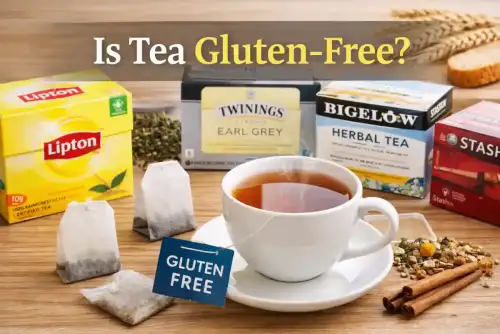
Celiac.com 05/20/2026 - Tea is one of those foods that seems simple, but people with celiac disease or gluten sensitivity still have good reason to ask questions about it. At first glance, tea should be one of the easier beverages to fit into a gluten-free diet. Plain black tea, green tea, white tea, and oolong tea are made from tea leaves, and those leaves do not naturally contain gluten.
That is the good news. In many cases, a basic cup of plain tea really is one of the safer choices you can make. But as with many packaged foods and drinks, the details matter. Once flavorings, added ingredients, tea bag materials, sweeteners, instant mixes, or special latte-style products enter the picture, the answer can become less straightforward.
Celiac.com Sponsor (A12):
For people who have celiac disease, that difference matters. A simple plain tea may be low-risk, while a more processed tea product may deserve a closer look before it becomes part of a daily routine.
What Types of Tea Are Most Likely to Be Gluten-Free?
If you are trying to keep things simple, traditional plain teas are usually the safest place to start. That includes black tea, green tea, white tea, and oolong tea with no added cookie pieces, barley ingredients, malt flavoring, or mix-ins. Loose leaf versions can feel especially straightforward because you can see that the product is mainly tea leaf.
Herbal teas are often gluten-free too, but they are technically different from true tea. These blends are usually made from peppermint, chamomile, ginger, rooibos, hibiscus, lemongrass, spices, or fruit pieces. On their own, those kinds of ingredients are generally not a gluten problem. In fact, many herbal teas can be a good option for people who want something naturally caffeine-free.
Still, "usually" is not the same thing as "always." People with celiac disease know that the safest habits come from checking ingredients instead of assuming. The more a tea product moves away from plain leaves and simple herbs, the more closely it deserves to be examined.
Where Tea Can Become Riskier
The biggest gray area is not plain tea. It is flavored tea, dessert-style tea, tea lattes, instant tea mixes, and unusual seasonal blends. These products can contain natural flavors, spice blends, caramel notes, cookie-style flavors, powdered additives, or sweetener systems that make the label more complicated.
That does not mean flavored tea is automatically unsafe. Many flavored teas are still likely to be gluten-free. But flavored products give you more reasons to check the package carefully. A product inspired by baked goods, malted drinks, or cookies deserves more scrutiny than a plain green tea or peppermint tea.
Instant tea powders and ready-to-mix products deserve extra caution too. They are more processed, and they may include ingredients beyond tea itself. For people with celiac disease, a powdered iced tea mix is not the same thing as a plain tea bag. The more processed the format, the more important label reading becomes.
What About Tea Bags? Could the Material or Glue Contain Gluten?
This is a smart question, and it is one that many gluten-free consumers ask. People sometimes worry that tea bag paper, sealing material, or glue could introduce gluten. In many cases, major tea brands now describe tea bag materials as plant-based fibers, wood pulp, cellulose, abaca, or starch-based sealing systems rather than wheat-based glue.
Even so, tea bag construction is not always something a shopper can confirm just by looking at the box. That is why it helps to know what brands say publicly about their materials. Some tea companies specifically explain that their tea bags are folded and sealed without glue, while others describe plant-based, biodegradable bag materials. That is reassuring, especially for people who react strongly or simply want peace of mind.
The takeaway is this: concern about tea bag glue is understandable, but for many mainstream tea brands, the published information points toward non-gluten tea bag materials rather than wheat-based adhesives. Still, if a particular brand does not clearly explain its materials, some highly sensitive consumers may prefer loose leaf tea or brands that provide more detailed packaging answers.
What About Lipton?
Lipton is one of the most familiar names in tea, so it makes sense that people ask about it specifically. Many plain Lipton teas appear very simple, such as standard black tea or plain green tea products. That simplicity is encouraging. A plain tea bag with tea as the main ingredient is generally going to look much safer than a heavily flavored powdered drink mix.
Where you should slow down is with more processed Lipton products, especially iced tea mixes or special flavored items. A ready-to-mix tea powder is a different category from a basic tea bag, and it is wise to read those labels carefully every time. Ingredients and manufacturing details can change over time, and a broad assumption about one Lipton product should not automatically be applied to the entire brand.
For people with celiac disease, the practical answer is to treat plain Lipton tea bags as a lower-risk option, while checking flavored products, specialty blends, and mixes much more closely. If a product does not clearly answer your concerns on the label, it is reasonable to contact the manufacturer before making it a regular part of your diet.
What About Twinings?
Twinings is one of the brands that gives more direct reassurance. The company has published allergen information indicating that its products do not contain cereals containing gluten, and that its teas do not contain gluten as part of its allergen approach. That makes Twinings easier for gluten-free shoppers to evaluate than brands that say less publicly.
This does not mean you should stop reading labels. It does mean that Twinings gives consumers clearer language than many food and beverage companies do. For someone with celiac disease, that kind of transparency matters. It reduces guesswork and makes routine shopping less stressful.
Twinings also sells a wide range of black, green, and herbal teas, which means the brand can be useful for people who want both simple everyday options and flavored choices. Even then, it is still smart to check each product, especially limited editions or products outside the company’s standard tea bag lineup.
What About Bigelow and Stash?
Bigelow is another tea company that has provided unusually detailed information. The brand offers a gluten-free section on its site, and it also explains the materials used in its tea bags. For most of its tea bags, the company says the bags are machine-folded and sealed without adhesives. It also says the tea bags are biodegradable and plastic-free. That kind of detail is especially helpful for gluten-free consumers who worry not only about ingredients, but also about packaging.
Stash is similarly helpful. The company has stated that it keeps supplier statements showing its ingredients are gluten-free and that it does not use barley malt in its blends. It has also explained that its tea bag filter paper is made from cellulose fibers and that no glue is needed or used because the bags are machine folded and pressed.
For highly cautious shoppers, brands that openly discuss both ingredients and tea bag construction may feel more comfortable than brands that offer less detail. Even if all tea brands are not equally risky, they are not equally transparent either, and that can influence what feels safest in a gluten-free household.
Do Herbal and Flavored Teas Need More Caution?
Yes, a little more caution is wise. Herbal teas often look naturally safe because peppermint, chamomile, rooibos, hibiscus, and ginger are not gluten grains. But flavored herbal teas can still include added flavor systems or specialty ingredients that make it worth checking the label.
Dessert-style teas deserve even more attention. A tea that is designed to taste like cinnamon buns, cookies, caramel treats, or bakery items may still be gluten-free, but its theme alone is enough to justify a careful ingredient review. This is especially true for people with celiac disease, since even small exposures matter.
Spiced chai products can also vary. A basic chai tea bag may be simple, but chai latte products, cream-style chai pods, or powdered chai beverages may contain added ingredients that deserve closer scrutiny. In other words, not all "tea" is equally simple just because the word tea appears on the front of the box.
What This Means for People with Celiac Disease
For people with celiac disease, tea can usually remain a comforting and practical part of life. The main lesson is not that tea is dangerous. It is that "tea" is a broad category, and the safest choices are usually the least complicated ones.
Plain tea bags, simple loose leaf teas, and straightforward herbal infusions are often the easiest products to work into a strict gluten-free diet. Problems are more likely to arise when the product becomes more processed, more heavily flavored, or more dessert-like. The same rule that works in many other gluten-free situations works here too: the shorter and simpler the ingredient list, the easier the product is to evaluate.
It also helps to choose brands that answer questions clearly. When a company explains its allergen policy, confirms gluten-free ingredients, or provides details about tea bag materials, that can reduce anxiety and help consumers make smarter choices. For many people with celiac disease, that transparency is almost as important as the product itself.
What This Means for People with Gluten Sensitivity
People with gluten sensitivity may have a little more flexibility than people with celiac disease, but many still prefer to be careful, especially if they have had reactions to unclear ingredients before. Tea can be a good everyday beverage choice, but the same common-sense approach still applies.
If you feel best avoiding uncertainty, stick with plain tea or herbal blends from brands that clearly explain what is in the product and how the tea bags are made. If you want to try something more adventurous, such as a flavored black tea or a seasonal herbal blend, read the ingredients first and pay attention to how your body responds.
For some people, flavor systems and highly processed drink mixes may be more frustrating than simple tea bags, even when gluten is not confirmed. Keeping a little tea routine built around simpler products may be the easiest path.
Bottom Line
So, is tea gluten-free? In many cases, yes. Plain tea is usually one of the more naturally gluten-free beverages people can enjoy. Many herbal teas are also likely to be gluten-free. But it is still worth paying attention to flavored teas, tea powders, chai latte products, and unusual seasonal blends.
Tea bags themselves are often less of a problem than many people fear, especially when brands explain that they use cellulose, wood pulp, abaca, or starch-based sealing systems rather than glue. Brands such as Twinings, Bigelow, and Stash provide especially useful public information. Lipton plain teas often appear simple and lower-risk, but its more processed or flavored products deserve the same label-checking care as any other packaged tea product.
For people with celiac disease or gluten sensitivity, the safest rule is simple: choose straightforward teas when possible, read labels on flavored products, and favor brands that are transparent about ingredients and packaging. That approach lets tea stay what it should be: a relaxing part of the day, not another source of gluten worry.








Recommended Comments
There are no comments to display.
Create an account or sign in to comment
You need to be a member in order to leave a comment
Create an account
Sign up for a new account in our community. It's easy!
Register a new accountSign in
Already have an account? Sign in here.
Sign In Now