Jump to content
  • Welcome to Celiac.com!

    You have found your celiac tribe! Join us and ask questions in our forum, share your story, and connect with others.


  • Celiac.com Sponsor (A1):


    Celiac.com Sponsor (A1-M):


  • Get Celiac.com Updates:
    Support Our Content
    eNewsletter
    Donate
  • Scott Adams
    Scott Adams

    Gluten-Free Lo Mein–Style Noodles

    Reviewed and edited by a celiac disease expert.

    This gluten-free lo mein–style noodle recipe uses rice or glass noodles and a savory tamari-based sauce for a quick, satisfying meal that’s safe for celiac disease and gluten sensitivity.

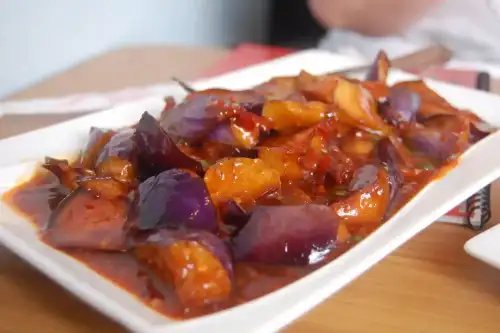
    Gluten-Free Lo Mein–Style Noodles - Chinese comfort food by LifeSupercharger is licensed under CC BY 2.0.
    Caption:

    Celiac.com 01/24/2026 - Lo mein–style noodles have long been associated with Chinese-American home cooking and restaurant comfort food, known for their savory sauce, tender noodles, and colorful mix of vegetables. Traditional lo mein is made with wheat-based egg noodles, which makes it off-limits for anyone with celiac disease or gluten sensitivity. Over time, home cooks have adapted the dish using alternative noodles that still deliver the familiar texture and flavor people love.

    This gluten-free version uses rice noodles or glass noodles, both of which absorb sauce beautifully and hold up well in a hot pan. Instead of relying on traditional soy sauce, this recipe uses gluten-free tamari to recreate the deep umami flavor that defines lo mein. The result is a satisfying, weeknight-friendly dish that keeps the spirit of the original while remaining completely gluten-free.

    Ingredients

    • 8 ounces gluten-free rice noodles or glass noodles
    • 2 tablespoons neutral cooking oil, such as avocado or canola oil
    • 1 cup sliced mushrooms
    • 1 cup shredded cabbage or bok choy
    • ½ cup julienned carrots
    • ½ cup sliced green onions
    • 2 cloves garlic, minced
    • 1 teaspoon freshly grated ginger
    • 1 cup cooked protein of choice, such as chicken, shrimp, tofu, or beef

    For the Sauce

    • ¼ cup gluten-free tamari
    • 1 tablespoon sesame oil
    • 1 tablespoon rice vinegar
    • 1 teaspoon honey or maple syrup
    • ½ teaspoon ground white pepper or black pepper

    Instructions

    1. Cook the noodles according to the package instructions until just tender. Drain well and rinse briefly with cool water to prevent sticking. Set aside.
    2. In a small bowl, whisk together the tamari, sesame oil, rice vinegar, honey or maple syrup, and pepper. Set the sauce aside.
    3. Heat the cooking oil in a large skillet or wok over medium-high heat. Add the garlic and ginger and cook for about 30 seconds, stirring constantly, until fragrant.
    4. Add the mushrooms, cabbage or bok choy, and carrots to the pan. Stir-fry for 3 to 4 minutes, until the vegetables begin to soften but still have some bite.
    5. Stir in the cooked protein and green onions, cooking for another minute to warm everything through.
    6. Add the drained noodles to the pan, followed by the prepared sauce. Toss gently but thoroughly to coat the noodles evenly.
    7. Continue cooking for 2 to 3 minutes, stirring often, until the noodles absorb the sauce and everything is heated through.
    8. Remove from heat and taste, adjusting seasoning if needed.

    Serving Suggestions

    Celiac.com Sponsor (A12):
    Serve the noodles hot, garnished with extra green onions or a sprinkle of toasted sesame seeds if desired. This dish pairs well with a simple cucumber salad or steamed broccoli for a complete gluten-free meal.

    Conclusion

    Gluten-free lo mein–style noodles prove that comfort food does not have to be complicated or off-limits. By choosing the right noodles and building flavor with gluten-free tamari, garlic, and ginger, this dish delivers the savory satisfaction of classic lo mein without gluten. It is an adaptable recipe that works with whatever vegetables or protein you have on hand, making it a reliable and flavorful option for gluten-free kitchens.

    User Feedback

    Recommended Comments

    There are no comments to display.


    Create an account or sign in to comment

    You need to be a member in order to leave a comment

    Create an account

    Sign up for a new account in our community. It's easy!

    Register a new account

    Sign in

    Already have an account? Sign in here.

    Sign In Now

  • Get Celiac.com Updates:
    Support Celiac.com:
    Join eNewsletter
    Donate
  • About Me

    Scott Adams
    scott_adams_dotcomer.webp

    Scott Adams was diagnosed with celiac disease in 1994. Faced with a critical lack of resources, he dedicated himself to becoming an expert on the condition to achieve his own recovery.

    In 1995, he founded Celiac.com with a clear mission: to ensure no one would have to navigate celiac disease alone. The site has since grown into one of the oldest and most trusted patient-focused resources for celiac disease and the gluten-free lifestyle.

    His work to advance awareness and support includes:

    Today, Celiac.com remains his primary focus. To ensure unbiased information, the site does not sell products and is 100% advertiser supported.


  • Celiac.com Sponsor (A17):
    Celiac.com Sponsor (A17):


    Celiac.com Sponsors (A17-M):


  • Related Articles

    Scott Adams
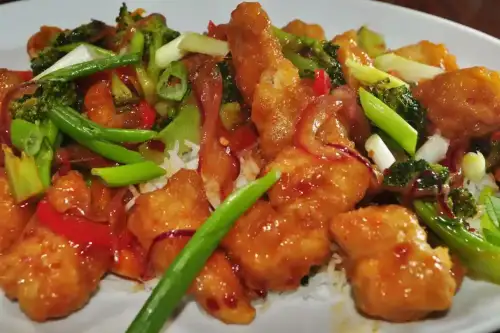
    Easy Gluten-Free Sweet and Sour Chicken: A Takeout Classic Made Safe at Home
    Celiac.com 01/03/2026 - Sweet and sour chicken has its roots in Chinese cooking, where cooks paired crisp fried meats with brightly flavored sauces made from vinegar and sugar. When the dish reached Chinese restaurants in North America, it evolved into the familiar takeout classic: golden bites of chicken, glossy red sauce, and chunks of pineapple and peppers. Unfortunately, the restaurant version is often off-limits for people who need to avoid gluten, thanks to wheat-based soy sauce, battered coating, and possible cross-contact in shared fryers.
    This gluten-free sweet and sour chicken recipe brings that comforting, restaurant-style flavor back to your home kitchen, without the gluten or mystery ingredients. Tender chicken is coated in a light cornstarch crust, then tossed in a tangy...


    Scott Adams
    Gluten-Free Stir-Fried Chinese Eggplant With Garlic Sauce
    Celiac.com 01/10/2026 - Chinese eggplant has been enjoyed for centuries across regions of East Asia, admired for its delicate skin, tender bite, and ability to absorb bold flavors. Traditionally, dishes like this stir-fry were prepared in bustling wok kitchens, using local varieties of long, slim eggplants that softened quickly and soaked up fragrant sauces. While the original recipes often contained soy sauce with wheat, modern gluten-free approaches make it possible for everyone to enjoy these classic flavors safely.
    This updated version keeps the spirit of the original dish—deeply savory, lightly sweet, and full of garlic and heat—while using gluten-free tamari and naturally gluten-free ingredients. The result is a vibrant, glossy stir-fry perfect for serving over rice, alongside gri...


    Scott Adams
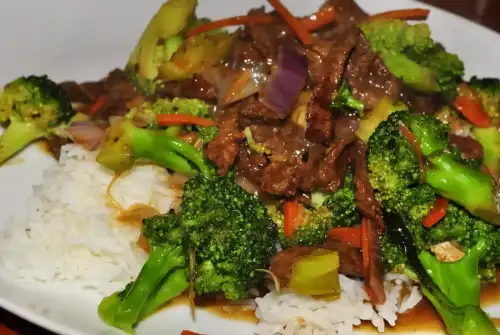
    Easy Gluten-Free Beef and Broccoli Stir-Fry You Can Make in Minutes
    Celiac.com 01/14/2026 - Beef and broccoli stir-fry is a classic dish that grew out of Chinese restaurant cooking in North America, where quick, high-heat techniques met local cuts of beef and plentiful vegetables. Over time it became a weeknight favorite: thin slices of beef, bright green broccoli, and a glossy brown sauce ladled over steaming rice. Unfortunately, for many people with celiac disease or gluten sensitivity, the traditional versions made with wheat-based soy sauce are off limits.
    This gluten-free version keeps everything people love about the original—tender beef, crisp-tender broccoli, and a savory ginger–garlic sauce—while swapping in gluten-free tamari and cornstarch for safe thickening. The result is a stir-fry that feels like takeout but is completely home-cooke...


    Scott Adams
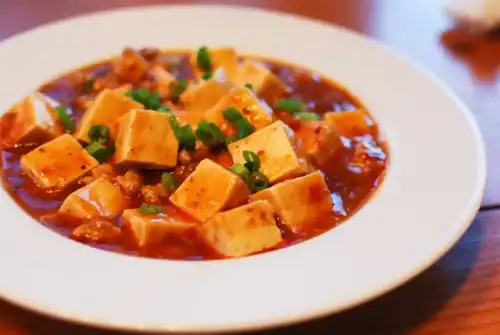
    Gluten-Free Mapo Tofu: Authentic Sichuan Flavor Without the Gluten
    Celiac.com 01/17/2026 - Mapo tofu is one of the signature dishes of Sichuan cuisine, known for its fiery red color, velvety tofu, and the tingling sensation of Sichuan peppercorns. The name is often traced back to a small Chengdu eatery run by an older woman whose pockmarked face inspired the term "ma po," or "pockmarked grandmother." Over time, her humble tofu-and-chili dish transformed into a restaurant classic, traveling first across China and then to Chinese restaurants around the world.
    Traditional versions usually rely on fermented chili bean paste and soy sauce, both of which commonly contain wheat. For people with celiac disease or gluten sensitivity, that can turn an otherwise naturally gluten-light dish into a hidden hazard. This gluten-free Sichuan-style mapo tofu keeps...


  • Recent Activity

    1. - Jmartes71 replied to Jmartes71's topic in Gluten-Free Foods, Products, Shopping & Medications
      2

      Medications

    2. - trents replied to Atl222's topic in Post Diagnosis, Recovery & Treatment of Celiac Disease
      6

      Increased intraepithelial lymphocytes after 10 yrs gluten-free

    3. - cristiana replied to Atl222's topic in Post Diagnosis, Recovery & Treatment of Celiac Disease
      6

      Increased intraepithelial lymphocytes after 10 yrs gluten-free

    4. - lizzie42 posted a topic in Post Diagnosis, Recovery & Treatment of Celiac Disease
      0

      Low iron and vitamin d

  • Celiac.com Sponsor (A19):
  • Member Statistics

    • Total Members
      133,220
    • Most Online (within 30 mins)
      7,748

    kimchi1
    Newest Member
    kimchi1
    Joined
  • Celiac.com Sponsor (A20):
  • Celiac.com Sponsor (A22):
  • Forum Statistics

    • Total Topics
      121.6k
    • Total Posts
      1m
  • Celiac.com Sponsor (A21):
  • Popular Now

    • Atl222
    • Cecile
      4
  • Popular Articles

    • Scott Adams
    • Scott Adams
    • Scott Adams
    • Scott Adams
    • Scott Adams
  • Upcoming Events

×
×
  • Create New...

Important Information

NOTICE: This site places This site places cookies on your device (Cookie settings). on your device. Continued use is acceptance of our Terms of Use, and Privacy Policy.