Jump to content
  • Welcome to Celiac.com!

    You have found your celiac tribe! Join us and ask questions in our forum, share your story, and connect with others.


  • Celiac.com Sponsor (A1):


    Celiac.com Sponsor (A1-M):


  • Get Celiac.com Updates:
    Support Our Content
    eNewsletter
    Donate
  • Scott Adams
    Scott Adams

    What This Study Reveals About How People Really Feel About Gluten-Free Cookies (+Video)

    Reviewed and edited by a celiac disease expert.

    Because sensory perception does not differ significantly between gluten-free and gluten-eating individuals, manufacturers can use larger and more diverse tasting panels to refine recipes.

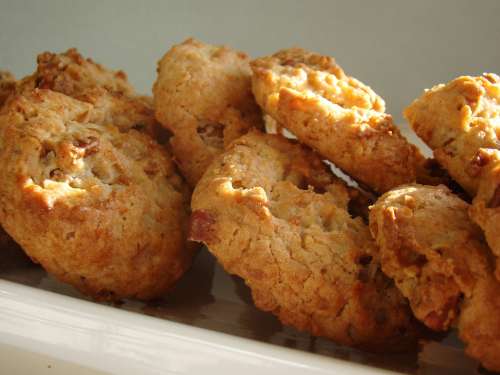
    What This Study Reveals About How People Really Feel About Gluten-Free Cookies (+Video) - Coconut Pecan Cookies by Vegan Feast Catering is licensed under CC BY 2.0.

    Celiac.com 12/30/2025 - People with celiac disease must follow a lifelong gluten-free diet, yet many gluten-free baked goods still struggle to match the flavor and texture of traditional products. As the gluten-free market continues to expand, understanding how consumers—especially those who must avoid gluten for medical reasons—evaluate gluten-free foods has become increasingly important. A recent research study compared how individuals with and without gluten-related disorders perceive the sensory qualities of several types of gluten-free cookies. The findings provide meaningful insight into how ingredients, dietary history, and product expectations shape the eating experience.

    Why Sensory Quality Matters in Gluten-Free Foods

    The growth of gluten-free products has been driven by increasing diagnosis rates for celiac disease and non-celiac gluten intolerance, as well as by general consumer interest in gluten-free eating. However, replacing wheat flour with gluten-free alternatives often leads to products that differ in taste, texture, aroma, and appearance.

    Celiac.com Sponsor (A12):
    Gluten provides elasticity, structure, and chewiness in baked goods, and without it, many cookies and breads can become crumbly, dry, or bland unless reformulation is done carefully. Because people living with celiac disease may not regularly consume wheat-based cookies, their long-term dietary experience could shape how they perceive gluten-free products compared with people who do eat wheat regularly.

    How the Study Was Conducted

    Researchers examined three types of gluten-free cookies: one made from a commercial gluten-free flour blend (mainly rice and tapioca), one made from buckwheat flour, and one made from grated coconut. Participants evaluated them based on appearance, color, aroma, texture, taste, sweetness, and any noticeable off-flavors.

    One hundred individuals took part, nearly half of whom had celiac disease or non-celiac gluten intolerance. Testing occurred in public settings such as a celiac-focused expo and a food science conference. Each participant tasted all three cookies, then rated each sensory attribute on a scale from 0 to 100.

    The study also analyzed whether long-term adherence to a gluten-free diet influenced how people perceived the cookies. Statistical analyses were used to compare ratings between cookie types and between participant groups.

    Which Gluten-Free Cookie Was Most Liked?

    Across all taste testers, the coconut-based cookie emerged as the clear favorite. Participants described it as having the most appealing color, strongest and most pleasant aroma, and the best overall flavor and texture. Coconut naturally contains high levels of fat and fiber, which can create a richer mouthfeel and more satisfying texture. Its natural sweetness and distinctive aroma likely boosted overall enjoyment as well.

    The gluten-free flour blend cookie fell in the middle, receiving moderate ratings. These results match what many gluten-free consumers experience in daily life: products based on rice and tapioca flours are familiar and widely available but do not always offer the most exciting flavor or texture.

    The buckwheat-based cookie consistently scored lowest. Its darker appearance, earthy aroma, and slightly bitter flavor profile were less appealing to most tasters. Buckwheat is nutritious and naturally gluten-free, but its strong flavor can dominate baked goods unless carefully balanced with other ingredients.

    How Celiac and Non-Celiac Participants Compared

    One of the most important questions in the study was whether people who avoid gluten for medical reasons evaluate gluten-free foods differently from those who have no dietary restrictions. The researchers found that:

    • Most sensory ratings were statistically similar between the two groups.
    • Celiac and gluten-intolerant participants gave slightly higher scores for the cookies’ overall appearance in some cases.
    • They also rated off-flavors slightly higher, suggesting they may be more attuned to flavor irregularities in gluten-free baked goods.

    However, these differences were small and did not change the overall conclusion: people with and without celiac disease generally perceive gluten-free cookies in much the same way. This means celiac-specific experience does not dramatically alter taste preferences or sensory perception.

    What Sensory Factors Matter Most?

    The study also explored how different sensory attributes relate to one another. For example, a cookie that looked appealing often also smelled better and tasted better. This indicates that improving one attribute—such as color—may influence how consumers perceive other aspects of the product.

    Taste, aroma, and texture were strongly connected. When one of these improved, the others tended to receive higher ratings as well. Off-flavors had a negative impact on taste perception, reinforcing the importance of eliminating any bitterness, metallic notes, or unusual aftertastes.

    Implications for Product Development

    The findings highlight several important considerations for companies creating gluten-free bakery products:

    • Ingredient selection matters: Coconut-based formulations produced richer flavors and more appealing textures.
    • Buckwheat may require modification: Blending it with milder flours or adding natural sweeteners may improve consumer acceptance.
    • Mixed testing panels are acceptable: Since celiac and non-celiac participants rated products similarly, it is not necessary to limit sensory panels to gluten-free consumers only.
    • Reducing off-flavors should be a priority: Even small improvements in aftertaste may significantly increase overall liking.

    What This Means for People with Celiac Disease

    For individuals with celiac disease, the study provides encouraging news. Because sensory perception does not differ significantly between gluten-free and gluten-eating individuals, manufacturers can use larger and more diverse tasting panels to refine recipes. This means future gluten-free cookies and baked goods can be tested more efficiently, speeding up product development and improving quality.

    The research also emphasizes that some gluten-free ingredients—such as coconut—can naturally enhance taste and texture without relying on excessive sugar or fat. As companies adopt these findings, people with celiac disease may see increasingly delicious, nutritionally improved, and more affordable gluten-free options.

    Overall, the study underscores the importance of continued innovation in gluten-free baking. With informed ingredient choices and careful formulation, gluten-free products can achieve sensory qualities that satisfy both celiac and non-celiac consumers alike.

    Read more at: frontiersin.org

    Watch the video version of this article:

    Watch the super short video version of this article:


    User Feedback

    Recommended Comments

    There are no comments to display.


    Create an account or sign in to comment

    You need to be a member in order to leave a comment

    Create an account

    Sign up for a new account in our community. It's easy!

    Register a new account

    Sign in

    Already have an account? Sign in here.

    Sign In Now

  • Get Celiac.com Updates:
    Support Celiac.com:
    Join eNewsletter
    Donate
  • About Me

    Scott Adams
    scott_adams_dotcomer.webp

    Scott Adams was diagnosed with celiac disease in 1994. Faced with a critical lack of resources, he dedicated himself to becoming an expert on the condition to achieve his own recovery.

    In 1995, he founded Celiac.com with a clear mission: to ensure no one would have to navigate celiac disease alone. The site has since grown into one of the oldest and most trusted patient-focused resources for celiac disease and the gluten-free lifestyle.

    His work to advance awareness and support includes:

    Today, Celiac.com remains his primary focus. To ensure unbiased information, the site does not sell products and is 100% advertiser supported.


  • Celiac.com Sponsor (A17):
    Celiac.com Sponsor (A17):


    Celiac.com Sponsors (A17-M):


  • Related Articles

    Scott Adams
    Coconut Macaroon Sandwiches (Gluten-Free)
    Celiac.com 10/17/2025 - Coconut macaroons trace their roots to medieval nut-and-egg confections in Italy and Spain, later adopted by Jewish communities as a naturally flourless sweet enjoyed during Passover. When dried coconut became widely available in the nineteenth century, the chewy coconut macaroon we love today took shape—simple, rich, and blissfully gluten-free by design.
    This sandwich version doubles the fun: crisp-chewy domes of coconut hugging a silky dark chocolate ganache—or, for a bright counterpoint, tart raspberry jam. They look bakery-fancy, but the batter stirs together in minutes and pipes easily for uniform cookies that pair up perfectly.
    Ingredients
    Macaroons
    3 cups finely shredded unsweetened coconut ½ cup granulated sugar ...


    Scott Adams
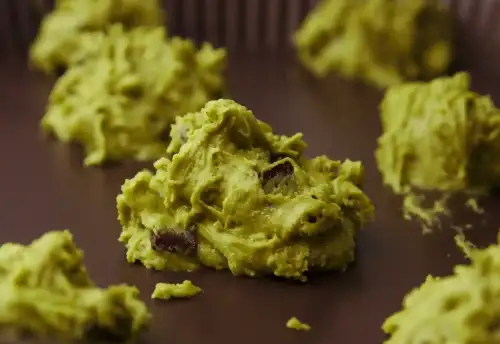
    Gluten-Free Matcha White Chocolate Cookies
    Celiac.com 10/21/2025 - Matcha’s story begins in medieval Japan, where stone-milled green tea powders were whisked into ceremonial bowls for focus and calm. Its vivid color and grassy, umami depth later leapt into pastry kitchens, where chefs discovered that matcha sings when paired with creamy, dairy-based sweets. White chocolate, a twentieth-century confection made from cocoa butter, milk, and sugar, offers a mellow canvas that softens matcha’s earthiness and highlights its floral notes.
    This cookie brings those traditions together in a gluten-free format designed from the ground up for ideal spread and chew. A balanced gluten-free flour blend, a brief chill, and just enough sugar to round the tea’s edges produce a tender, fragrant cookie dotted with melt-soft white chocolate chips...


    Scott Adams
    Chocolate Dipped Orange Gluten-Free Biscotti
    Celiac.com 10/31/2025 - Biscotti began as practical travelers biscuits, twice baked to keep well on long journeys along Italy's trade routes. Over time, bakers transformed the sturdy keepsake into a café favorite, crisp enough to dunk yet fragrant with citrus, nuts, or spice. This gluten-free version leans on almond flour, which echoes biscotti's nutty roots while keeping the crumb pleasantly crisp.
    Here, bright orange zest lifts the almond base, and a half-dip in melted chocolate adds a glossy finish worthy of an espresso bar. The method remains true to tradition: shape, bake, slice, then bake again until the edges sing with crunch. A short rest between bakes ensures clean slices and a shattering bite.
    Ingredients
    2 cups fine almond flour (about 200 g) ½...


    Scott Adams
    Gluten-Free Mocha Hazelnut Cookies
    Celiac.com 11/04/2025 - The love story between coffee and chocolate stretches back centuries. The term “mocha” first traveled the world with beans shipped from the Yemeni port of Mocha, while chocolate found its way into European sweets soon after. In northern Italy, hazelnuts and chocolate became a famous duo, inspiring confections that married roasted nuttiness with deep cocoa. This cookie borrows from that heritage, folding espresso and cocoa into a tender, nut-rich dough.
    Here, hazelnut flour delivers a naturally gluten-free base with buttery richness, while instant espresso and cocoa powder team up for a bold mocha profile. The edges set gently, the centers stay soft, and pockets of chocolate and toasted hazelnut make every bite feel like a café treat.
    Yield
    ...


  • Recent Activity

    1. - xxnonamexx posted a topic in Post Diagnosis, Recovery & Treatment of Celiac Disease
      0

      Fermented foods, Kefir, Kombucha?

    2. - SamAlvi replied to SamAlvi's topic in Celiac Disease Pre-Diagnosis, Testing & Symptoms
      7

      High TTG-IgG and Normal TTG-IgA

    3. - knitty kitty replied to lizzie42's topic in Post Diagnosis, Recovery & Treatment of Celiac Disease
      6

      Son's legs shaking

    4. - lizzie42 replied to lizzie42's topic in Post Diagnosis, Recovery & Treatment of Celiac Disease
      6

      Son's legs shaking

    5. - knitty kitty replied to lizzie42's topic in Post Diagnosis, Recovery & Treatment of Celiac Disease
      6

      Son's legs shaking

  • Celiac.com Sponsor (A19):
  • Member Statistics

    • Total Members
      132,877
    • Most Online (within 30 mins)
      7,748

    Ruth Margaret
    Newest Member
    Ruth Margaret
    Joined
  • Celiac.com Sponsor (A20):
  • Celiac.com Sponsor (A22):
  • Forum Statistics

    • Total Topics
      121.5k
    • Total Posts
      1m
  • Celiac.com Sponsor (A21):
  • Popular Now

    • lizzie42
      6
    • SamAlvi
      7
    • Ello
      7
  • Popular Articles

    • Scott Adams
    • Scott Adams
    • Scott Adams
    • Scott Adams
    • Scott Adams
  • Upcoming Events

×
×
  • Create New...

Important Information

NOTICE: This site places This site places cookies on your device (Cookie settings). on your device. Continued use is acceptance of our Terms of Use, and Privacy Policy.