


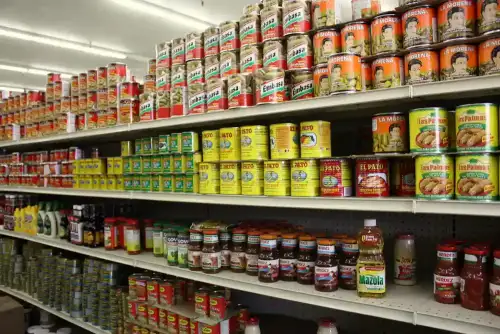
Celiac.com 02/27/2026 - This is a study done in 2021 which looked at a very specific and important real-world question: in northwestern Mexico, are foods labeled “gluten-free” actually safe for people with celiac disease? The researchers focused on two border-region cities, Mexicali in Baja California and Hermosillo in Sonora, where gluten-free products have become widely available in major supermarkets. They documented what was being sold, how expensive it was, where it came from, whether it had certification, and then tested a selection of products to see how much gluten they contained.
The location matters. These are not abstract laboratory samples. These are packaged foods that people can buy in everyday stores in northwestern Mexico, a region where formal oversight and standardization for gluten-free labeling has historically been limited. For anyone with celiac disease traveling in Mexico, living in Mexico, or buying imported Mexican products, the findings help explain why “gluten-free” on a label does not always guarantee safety.
Why the Study Was Done
Celiac.com Sponsor (A12):
People with celiac disease require a strict gluten-free diet to avoid immune-driven injury to the small intestine. Many countries use a practical threshold for gluten-free labeling that requires foods to contain very low amounts of gluten. However, the researchers noted that the gluten-free market in Mexico has not been well described, and consumers often lack clear guidance on which products are truly safe.
The team set out to answer three key questions in northwestern Mexico:
- How many gluten-free labeled industrialized foods are available in mainstream supermarkets?
- How expensive are these products compared with conventional versions?
- Do some of these products contain enough gluten to be risky for people with celiac disease?
Where the Products Were Found and How the Market Survey Worked
The researchers surveyed gluten-free labeled foods sold in Mexicali, Baja California, and Hermosillo, Sonora. They visited three different supermarkets in each of three supermarket chains in each city, recording gluten-free labeled items available from late 2020 through early 2021.
They classified products into common categories such as flours, breads and bakery items, cookies, pasta products, breakfast cereals, oats and granola, tortillas, sausages, and milk-type products. They also recorded whether products were made in Mexico or imported, and whether they carried gluten-free certification from recognized certifying bodies.
What the Researchers Found in Store Shelves
The study found more than 263 different gluten-free labeled products across the surveyed stores, with many items available in both cities. This indicates that access to gluten-free labeled packaged foods in northwestern Mexico is broad and expanding.
A large portion of products were made in Mexico, while many others were imported. The patterns varied by food type. Staples such as tortillas, breads, bakery items, sausages, and milk-type products were mostly produced in Mexico. In contrast, pasta products and many snack items were more often imported.
The imported products came largely from the United States of America, along with several European countries. This mix reflects a global supply chain feeding into Mexican retail shelves, which can complicate consistent oversight.
Certification Was Not the Norm
Certification mattered in this study because it served as one practical marker of stronger oversight. Only about one third of the gluten-free labeled foods in the market survey were certified by recognized institutions. Many products relied on gluten-free claims without third-party verification.
The study also noted that some certification lists from Mexican celiac disease associations were not broadly accessible to the public, which can limit consumer ability to verify products quickly.
Gluten Testing Revealed a Serious Safety Gap
The most striking finding was that a meaningful portion of tested products labeled gluten-free contained gluten levels high enough to be considered unsafe. The researchers tested eighty-six products and found that fifteen had gluten above the standard gluten-free threshold.
That works out to about one in six tested items. Most of the contaminated products were made in Mexico, although a small number of contaminated items were imported as well.
The levels were not just slightly above the limit in every case. Some products contained extremely high gluten amounts, more consistent with significant contamination or the presence of gluten-containing ingredients rather than minor accidental cross-contact. This is exactly the type of failure that can lead to repeated illness and ongoing intestinal injury in people with celiac disease who trust a gluten-free label.
Immune Reactivity Showed That the Gluten Was Biologically Meaningful
The researchers did more than measure gluten quantity. They also tested whether proteins extracted from contaminated products could react with immunoglobulin A from people with celiac disease. In simple terms, they examined whether the immune system markers commonly involved in celiac disease recognized the proteins found in these mislabeled foods.
They found immune reactivity against proteins from contaminated gluten-free labeled products. This supports an important point for patients: the contamination detected was not merely a laboratory artifact. It involved proteins capable of interacting with immune responses relevant to celiac disease, reinforcing that these products could plausibly trigger harm.
Gluten-Free Products Were Much More Expensive in Northwestern Mexico
The study also documented a major economic burden. Gluten-free labeled products cost substantially more than comparable conventional foods. Depending on the food category, gluten-free labeled versions ranged from moderately more expensive to dramatically more expensive.
Imported gluten-free foods tended to be the most expensive overall, but certain Mexican gluten-free labeled items were also costly. For families managing celiac disease, these price gaps matter because gluten-free eating is not optional. Higher costs can limit dietary variety, increase stress, and create barriers to consistent adherence.
What This Means for People With Celiac Disease
For people with celiac disease, the key takeaway is blunt: in this study of supermarkets in Mexicali and Hermosillo, some foods labeled gluten-free were not safe. This creates two risks at once. First, people may unknowingly consume gluten and continue to experience symptoms or intestinal injury even while trying to follow the diet. Second, repeated “mystery exposures” can increase anxiety and mistrust around eating, especially when a person feels they are doing everything right.
The findings also suggest that relying on a gluten-free statement alone may be riskier in some markets than in others, particularly where oversight is inconsistent and certification is less common. In practical terms, choosing certified products when possible may reduce risk, especially for high-risk categories like baked goods, flours, and items made on shared equipment.
What This Means for People With Gluten Sensitivity
For people with non-celiac gluten sensitivity, mislabeled products can still be a problem, even if the underlying immune mechanism differs. If a person avoids gluten to prevent fatigue, digestive symptoms, headaches, or other reactions, mislabeled foods can undermine symptom control and make it difficult to identify true triggers.
This study reinforces that gluten-free labeling problems are not merely theoretical. In certain settings, they can meaningfully affect daily health decisions.
Conclusion: Why This Mexico-Based Study Is Important
This research is vital because it examined real retail shelves in northwestern Mexico, specifically in Mexicali, Baja California and Hermosillo, Sonora. It found wide availability of gluten-free labeled foods, but also higher costs and a significant rate of gluten contamination among tested items. The work highlights the need for stronger standardization, better oversight, and clearer verification systems so that gluten-free labeling can function as a reliable safety tool rather than a marketing claim.
For the celiac community, the study offers both a warning and a practical lesson: in some regions, especially where regulation is still evolving, gluten-free labels may not be equally trustworthy across brands and categories. Greater transparency, stronger enforcement, and broader access to certification information would meaningfully reduce risk and support safer gluten-free living for people who depend on it.
Read more at: pmc.ncbi.nlm.nih.gov













Recommended Comments
There are no comments to display.
Create an account or sign in to comment
You need to be a member in order to leave a comment
Create an account
Sign up for a new account in our community. It's easy!
Register a new accountSign in
Already have an account? Sign in here.
Sign In Now