


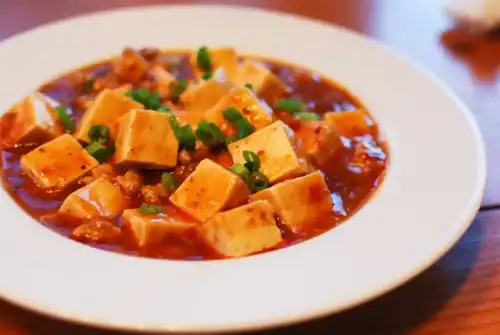
Celiac.com 01/17/2026 - Mapo tofu is one of the signature dishes of Sichuan cuisine, known for its fiery red color, velvety tofu, and the tingling sensation of Sichuan peppercorns. The name is often traced back to a small Chengdu eatery run by an older woman whose pockmarked face inspired the term "ma po," or "pockmarked grandmother." Over time, her humble tofu-and-chili dish transformed into a restaurant classic, traveling first across China and then to Chinese restaurants around the world.
Traditional versions usually rely on fermented chili bean paste and soy sauce, both of which commonly contain wheat. For people with celiac disease or gluten sensitivity, that can turn an otherwise naturally gluten-light dish into a hidden hazard. This gluten-free Sichuan-style mapo tofu keeps the spirit of the original—bold spice, deep umami, and silky tofu—while using carefully selected gluten-free tamari, gluten-free chili bean paste, and cornstarch to keep the sauce safe and satisfying.
Ingredients
Pantry and Sauces
- 2 tablespoons gluten-free chili bean paste (doubanjiang, check label carefully)
- 2 tablespoons gluten-free tamari
- 1 cup gluten-free chicken or vegetable broth
- 1 tablespoon Shaoxing wine or dry sherry (verify gluten-free, or substitute broth)
- 1 tablespoon cornstarch
- 2 tablespoons water (for cornstarch slurry)
- 1 tablespoon chili oil (adjust to taste)
Aromatics and Spices
- 2 tablespoons neutral oil (such as peanut, avocado, or canola)
- 2 cloves garlic, finely minced
- 1 tablespoon minced fresh ginger
- 2 teaspoons whole Sichuan peppercorns
- ½ teaspoon ground white or black pepper
- 1 teaspoon sugar (helps balance the heat)
Protein and Tofu
- ½ pound ground pork (or ground chicken or turkey)
- 14-ounce block medium or medium-firm tofu, cut into ¾-inch cubes
Garnish and Serving
- 3 green onions, thinly sliced
- Cooked white rice or brown rice, gluten-free
Instructions
-
Prepare the tofu.
Celiac.com Sponsor (A12):
Drain the tofu and gently pat it dry with a clean towel. Cut it into even cubes about ¾ inch in size. To help the tofu stay firm in the sauce, bring a small pot of water to a gentle simmer with a pinch of salt. Slide in the tofu cubes and simmer for 2 to 3 minutes. Turn off the heat, then leave the tofu in the warm water while you start the sauce. This blanching step gives the tofu a slightly springy texture and helps it resist breaking apart. -
Toast and grind the Sichuan peppercorns.
Place the Sichuan peppercorns in a dry skillet over medium heat. Toast for 1 to 2 minutes, shaking the pan often, until fragrant but not burnt. Transfer them to a small bowl or mortar and pestle and grind into a coarse powder. Set aside. This step releases the peppercorns' citrusy aroma and distinctive numbing quality that defines authentic mapo tofu.
-
Make the cornstarch slurry and sauce base.
In a small bowl, stir together the cornstarch and 2 tablespoons of water until smooth; set aside. In another bowl or measuring cup, combine the gluten-free broth, tamari, Shaoxing wine or extra broth, and sugar. This mixture will form the backbone of the sauce once it hits the pan.
-
Cook the ground pork.
Heat a wok or deep skillet over medium-high heat. Add the neutral oil. When it shimmers, add the ground pork, breaking it up with a spatula. Cook for 4 to 5 minutes until the pork is browned and no longer pink, with some crisp edges beginning to form. If there is a large amount of fat in the pan, spoon off a little, but leave at least a thin coating—some richness is important to the flavor.
-
Sauté the aromatics and chili bean paste.
Reduce the heat to medium. Add the garlic and ginger to the pork and cook for about 30 seconds, stirring constantly. Add the gluten-free chili bean paste and cook for 1 to 2 minutes more, pressing it into the pan so it fries gently in the oil. The paste should darken slightly and become very fragrant. This frying step deepens the flavor and gives mapo tofu its characteristic red color.
-
Add the liquid and seasonings.
Pour in the broth and tamari mixture. Stir well to dissolve any bits stuck to the bottom of the pan. Add the ground white or black pepper and about half of the ground Sichuan peppercorns. Bring the mixture to a gentle simmer and let it bubble for 2 to 3 minutes so the flavors meld.
-
Add the tofu.
Using a slotted spoon, carefully transfer the blanched tofu cubes from the warm water into the simmering sauce. Stir very gently with a spatula or by nudging the tofu from underneath so that the cubes stay intact and become surrounded by the sauce. Simmer for 3 to 5 minutes, allowing the tofu to absorb some of the spicy, savory flavor.
-
Thicken the sauce.
Give the cornstarch slurry a quick stir, then drizzle it around the pan while gently stirring. The sauce will quickly change from thin to glossy and slightly thick, clinging to the tofu and pork. If it becomes too thick, add a splash of broth or water; if it is still thin after a minute of simmering, add a little more slurry (mixed fresh) until it reaches your preferred consistency.
-
Finish with chili oil and peppercorns.
Turn the heat to low. Stir in the chili oil and taste the sauce. Adjust with a touch more tamari for salt, sugar for balance, or chili oil for extra heat. Sprinkle most of the remaining ground Sichuan peppercorns into the pan, reserving a small pinch for garnish. This layering of peppercorns gives the dish a lively, tingling finish without overwhelming the other flavors.
-
Garnish and serve.
Remove the pan from the heat. Scatter the sliced green onions over the top and sprinkle with the last pinch of ground Sichuan peppercorns. Serve the mapo tofu immediately over bowls of hot, gluten-free rice, making sure each serving includes plenty of sauce, tofu, and bits of pork.
Gluten-Free Safety Notes
- Choose chili bean paste that is clearly labeled gluten-free; many traditional brands contain wheat or barley.
- Use certified gluten-free tamari instead of regular soy sauce.
- Check that your broth and any cooking wine are gluten-free and free from barley malt or other gluten-containing additives.
- If you are highly sensitive, be sure that all cooking utensils, cutting boards, and pans are free of flour dust or other gluten cross-contact.
Conclusion
This gluten-free Sichuan-style mapo tofu keeps the heart of the original dish—soft tofu, spicy red sauce, and the unmistakable tingle of Sichuan peppercorns—while removing the hidden gluten that often sneaks in through traditional condiments. By choosing gluten-free chili bean paste and tamari, and thickening the sauce with cornstarch, you can enjoy a deeply authentic flavor profile without sacrificing safety. For anyone with celiac disease or gluten sensitivity who misses the bold comfort of classic Chinese dishes, this mapo tofu brings that experience back to the table in a way that is both satisfying and secure.






Recommended Comments
There are no comments to display.
Create an account or sign in to comment
You need to be a member in order to leave a comment
Create an account
Sign up for a new account in our community. It's easy!
Register a new accountSign in
Already have an account? Sign in here.
Sign In Now