Jump to content
  • Welcome to Celiac.com!

    You have found your celiac tribe! Join us and ask questions in our forum, share your story, and connect with others.


  • Celiac.com Sponsor (A1):


    Celiac.com Sponsor (A1-M):


  • Get Celiac.com Updates:
    Support Our Content
    eNewsletter
    Donate
  • Scott Adams
    Scott Adams

    What the College Dining Hall Experience Means for Students with Celiac Disease (+Video)

    Reviewed and edited by a celiac disease expert.

    The insight from the opinion piece at the college reveals how students with celiac disease face more than just “few menu options.”

    Celiac.com 12/09/2025 - For many students, going to college means the freedom to live independently, make new friends, and try new things—including the dining hall. But for those living with Celiac disease or severe gluten sensitivity, what should be a routine daily task—choosing meals—can turn into a minefield. A recent campus-opinion article detailed just how challenging dining on campus can be when options for gluten-free and allergen-safe meals are limited and inconsistent. Understanding these realities is essential for students with celiac disease, their families, and the institutions that serve them.

    The Reported Experience at One College

    The student-author shared their diagnosis of celiac disease and the immediate panic that followed about eating on campus. They described multiple dining venues with inadequate or inconsistent gluten-free options, occasional cross-contamination, and staff who were ill-prepared to handle serious food intolerances. In one case, a salad station was described as safe with the help of a manager and chef—but the student stressed that this was the exception rather than the norm. In another case, ordering a seemingly safe bowl ended in severe stomach pain—likely due to inadvertent gluten exposure. The message is clear: even when labelled gluten free, the reliability of safe preparation may not meet the need.

    Key Issues that Matter for Celiac and Gluten-Sensitive Students

    Celiac.com Sponsor (A12):
    From the student’s account, several recurring issues emerge:

    • Limited Menu Choices: Many dining locations offered only one or two “safe” meals, sometimes none visible at all.
    • Cross-Contamination Risks: Shared utensils, pans, gloves or cooking surfaces raised anxiety for the student, particularly given the seriousness of celiac reactions.
    • Staff Training and Awareness: The student highlighted instances where dining staff did not understand the meaning of “gluten free” or assume it meant wheat-free pasta. The confusion added stress and caused the student to skip ordering entirely.
    • Trust and Consistency: Even a dependable option ended up causing symptoms on one evening, undermining trust in the dining system. For those with celiac disease, inconsistent safety is one of the largest non-dietary burdens.
    • Accommodations Are Good—but Not Enough: One dining hall offered a “gluten-free zone” and the ability to pre-order meals. However, options were still sparse and reliability varied.

    Why These Challenges Are Especially Significant for Celiac Disease

    Celiac disease is not simply a preference—it is a serious autoimmune condition in which even trace amounts of gluten can damage the small intestine and trigger systemic symptoms. For individuals with celiac disease:

    • Eating out or using a communal dining hall amplifies the risk of accidental gluten exposure.
    • Cross-contact (gluten sharing cooking surfaces, utensils, oils, or crumbs) is a reality—not just theoretical.
    • Symptoms may not always be immediate or obvious, causing delayed healing, repeated illness, increased nutritional deficiencies, and frustration.
    • The stress of managing the diet, explaining requirements, and avoiding contamination adds a heavy emotional and logistical load on top of coursework, social life, and campus living.

    What Would Better Support Look Like?

    From the student’s feedback and the broader literature on allergen-safe dining, here are practical steps that colleges—and any communal dining program—could adopt:

    • Dedicated Gluten-Free Kitchens or Zones: A separate preparation area, equipment, and utensils reduce the risk of contamination and build student trust.
    • Menu Transparency and Visibility: Clear labels, ingredient lists, and allergy-safe signs allow students to choose confidently and reduce anxiety.
    • Staff Training on Celiac Safe Practices: Training should include not only “this meal is gluten free” but also how to prevent cross-contact, handle shared equipment, and respond to questions from students.
    • Reliable & Consistent Options: Providing more than one “safe” entrée each mealtime—ideally across breakfast, lunch and dinner—reduces risk of hunger and poor choices.
    • Student Inclusion and Feedback: Involving students with celiac disease or gluten sensitivity in dining planning and training helps institutions better understand lived experiences and tailor accommodations.
    • Pre-Order and Pick-Up Systems: For students with serious dietary needs, the ability to pre-order safe meals and pick them up at scheduled times ensures reliability and less stress.

    Advice for Students with Celiac Disease Heading to Campus

    If you are a student with celiac disease or gluten sensitivity preparing for college, here are strategies to empower yourself:

    • Visit dining halls before or early in the semester to ask questions about how meals are prepared, cleaned, and served.
    • Meet with the campus dietitian or accessibility office to map out safe meal plans, kitchen zones, and emergency accommodations.
    • Carry safe snacks in your room, backpack or dorm because even the “safe” options may not always be available.
    • Advocate clearly and calmly with dining staff: ask about glove changes, dedicated pans, fryer segregation, and clean surfaces.
    • Connect with other students who require gluten-free options—they can share dependable vendors, best times to eat, and feedback on safe meals.
    • Keep a food journal in the first weeks to track successful meals and symptoms—this helps and can support any needed adjustments.

    Conclusion: Equal Access to Safe Dining Is More Than a Convenience

    The insight from the opinion piece at the college reveals how students with celiac disease face more than just “few menu options.” They confront uncertainty, potential illness, and the burden of constant vigilance. For individuals who must avoid gluten, safe dining is not a luxury—it is a necessity for their health, school performance, and quality of life.

    As institutions rethink their dining services, making allergen-safe, gluten-free meals reliable, visible, and mainstream—not hidden—should be a priority. And for students with celiac disease, being equipped with knowledge, advocacy skills, and campus resources will turn the dining hall from a risk zone into a place of nourishment and inclusion.

    Read more at: dovepress.com

    Watch the video version of this article:


    User Feedback

    Recommended Comments

    There are no comments to display.


    Create an account or sign in to comment

    You need to be a member in order to leave a comment

    Create an account

    Sign up for a new account in our community. It's easy!

    Register a new account

    Sign in

    Already have an account? Sign in here.

    Sign In Now

  • Get Celiac.com Updates:
    Support Celiac.com:
    Join eNewsletter
    Donate
  • About Me

    Scott Adams
    scott_adams_dotcomer.webp

    Scott Adams was diagnosed with celiac disease in 1994. Faced with a critical lack of resources, he dedicated himself to becoming an expert on the condition to achieve his own recovery.

    In 1995, he founded Celiac.com with a clear mission: to ensure no one would have to navigate celiac disease alone. The site has since grown into one of the oldest and most trusted patient-focused resources for celiac disease and the gluten-free lifestyle.

    His work to advance awareness and support includes:

    Today, Celiac.com remains his primary focus. To ensure unbiased information, the site does not sell products and is 100% advertiser supported.


  • Celiac.com Sponsor (A17):
    Celiac.com Sponsor (A17):


    Celiac.com Sponsors (A17-M):


  • Related Articles

    Jefferson Adams
    Many College Students Struggle with Gluten-free Diet on Campus
    Celiac.com 01/24/2017 - Coming from homes where gluten-free food is abundant and taken for granted, many college students struggle with maintaining their diets during their time on campus.
    That struggle is the focus of numerous efforts by campuses nationwide to provide solid, reliable and abundant gluten-free food options for their students.
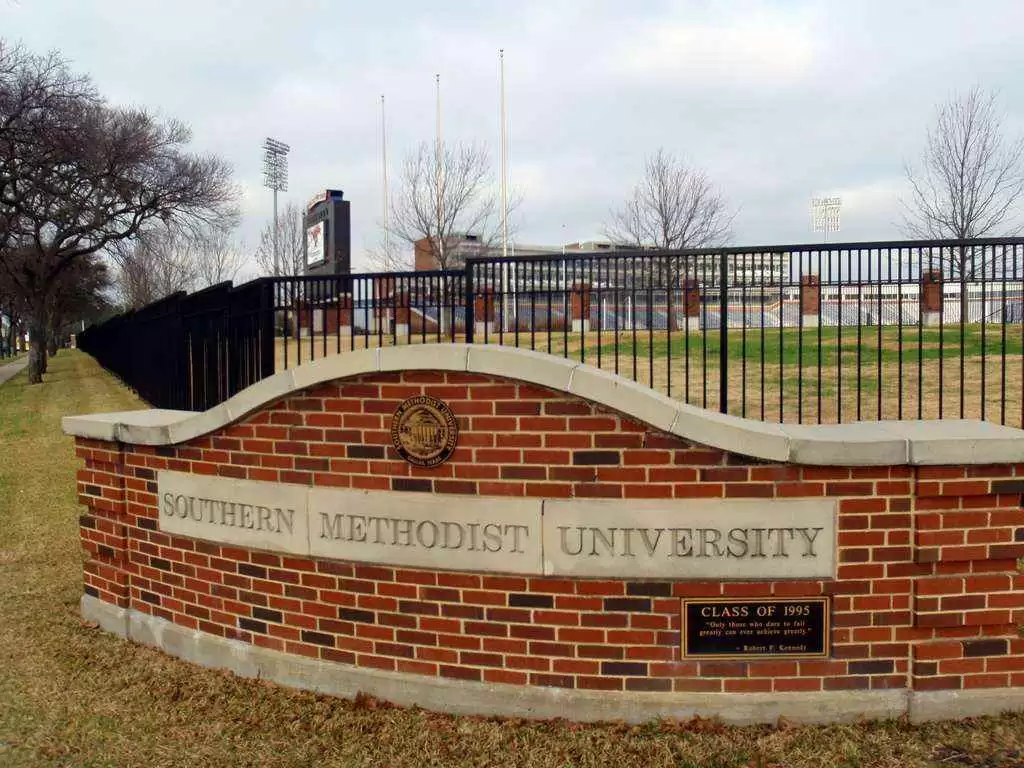
    At a place like SMU, that can include kitchen dining halls that serve gluten-free foods, or gluten-free pantry in Umphrey Lee.
    To help students be more conscious about their food choices SMU posts the daily menus on its website, along with nutritional facts for each item. There are different icons such as Eat Well, Fat Free, Low Sodium, Vegetarian, and Vegan, but as yet, no Gluten-Free icon.
    SMU does offer students access to a campus dietitian...


    Jefferson Adams
    Cornell University Takes Campus Dining Gluten-Free
    Celiac.com 06/28/2017 - Announcements from colleges revamping their dining halls to offer gluten-free and allergen-free foods to students, faculty and guests with food allergies or sensitivities are coming at a rapid clip. 
    The latest gluten-free feather in the cap goes to Cornell University, which has restructured its campus dining halls and food services to include 100-percent gluten-, tree nut- and peanut-free kitchens, including offering a new 100-percent plant-based burger at two campus locations.
    Cornell received its gluten-free facility certification from Kitchens with Confidence after cleaning or replacing equipment and meeting the rest of the qualifications for gluten-free certification. Still, even before the certification was official, Cornell had been quietly s...


    Dr. Ron Hoggan, Ed.D.
    MOM, F.R.C.M. (Fellow of the Royal College of Mothers)
    Celiac.com 12/24/2022 - My doctor is a nice guy. He is also very bright and has an impressive memory for many things. He couldn’t have gotten through medical school—he couldn’t even have gotten acceptance into medical school without being pretty capable. But he can’t know as much about me as I do. Neither has he observed my children for as long or with as much concern as I have. If we are ever to achieve balanced relationships with physicians, we must all acknowledge our own, and each others’ expertise. The history of the discovery of the gluten-free diet is really a story that should improve doctor-patient collaboration if the facts ever become widely known.
    World War II Grain Shortages or Concerned Mom?
    Not long ago I listened to a speaker, once again, crediting World War...


    Scott Adams
    Improving Gluten-Free and Allergen-Safe Dining on College Campuses
    Celiac.com 03/28/2025 - For students with celiac disease, gluten sensitivity, or severe food allergies, navigating campus dining can be a daily challenge. While many universities have made strides in providing safer food options, gaps still exist in ensuring that students with dietary restrictions have access to nutritious, satisfying meals. Georgetown University’s recent launch of the Stress Less Zone, a designated gluten-free and nut-free dining station, highlights both progress and ongoing challenges in allergen-safe campus dining.
    The Purpose of the Stress Less Zone
    The Stress Less Zone was introduced as part of Georgetown University’s efforts to create a safer dining environment for students who need to avoid gluten, peanuts, and tree nuts. This station offers a pantry sto...


  • Recent Activity

    1. - Mari replied to Jmartes71's topic in Related Issues & Disorders
      21

      My only proof

    2. - Jmartes71 replied to Jmartes71's topic in Related Issues & Disorders
      21

      My only proof

    3. - knitty kitty replied to Scott Adams's topic in Post Diagnosis, Recovery & Treatment of Celiac Disease
      44

      Supplements for those Diagnosed with Celiac Disease

    4. - knitty kitty replied to Jmartes71's topic in Related Issues & Disorders
      21

      My only proof

    5. - RUKen replied to marion wheaton's topic in Gluten-Free Foods, Products, Shopping & Medications
      5

      Are Lindt chocolate balls gluten free?


  • Celiac.com Sponsor (A19):


  • Member Statistics

    • Total Members
      132,551
    • Most Online (within 30 mins)
      7,748

    spencercoleadams
    Newest Member
    spencercoleadams
    Joined

  • Celiac.com Sponsor (A20):


  • Celiac.com Sponsor (A22):


  • Forum Statistics

    • Total Topics
      121.5k
    • Total Posts
      1m

  • Celiac.com Sponsor (A21):


  • Popular Articles

    • Scott Adams
    • Scott Adams
    • Scott Adams
    • Scott Adams
    • Scott Adams
  • Upcoming Events

×
×
  • Create New...

Important Information

NOTICE: This site places This site places cookies on your device (Cookie settings). on your device. Continued use is acceptance of our Terms of Use, and Privacy Policy.