


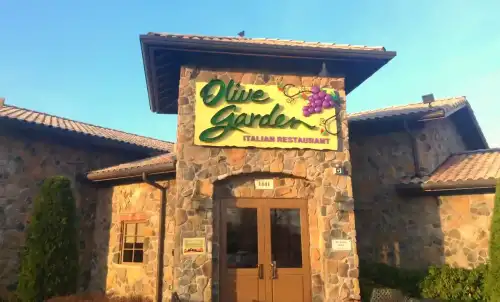
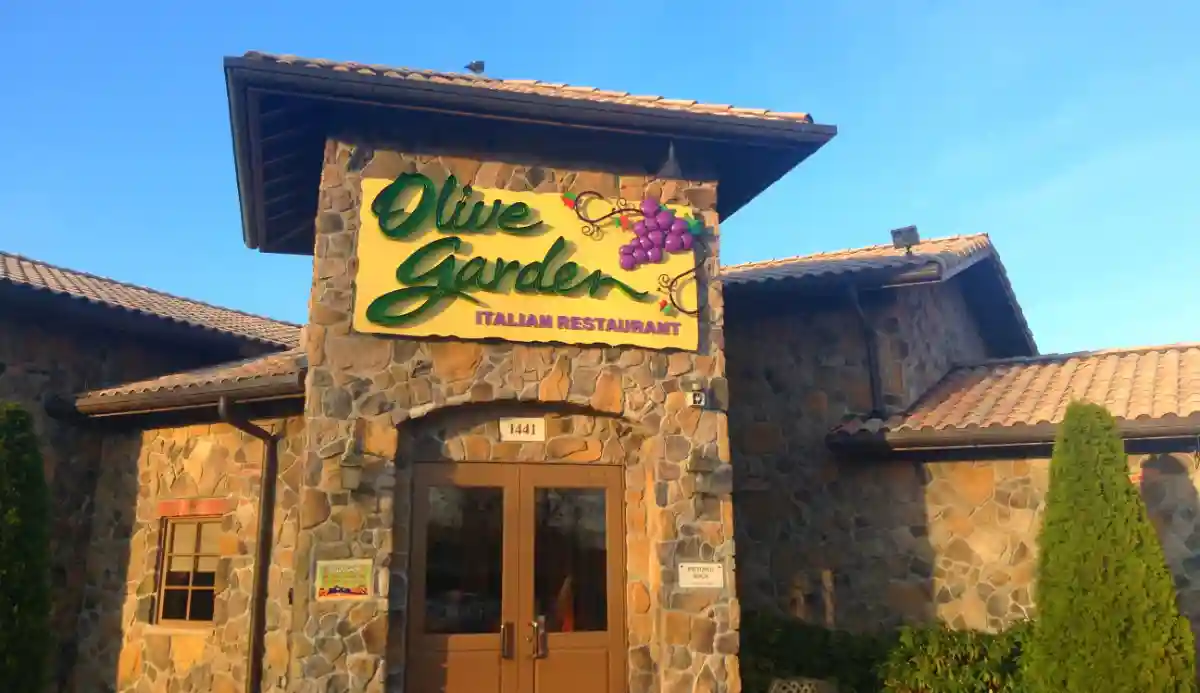
Celiac.com 01/09/2026 - A recent lawsuit filed against Olive Garden has sparked national attention and renewed concerns around how restaurants handle gluten-free requests. The case centers on a Kentucky man with celiac disease who says he suffered serious injuries after being served a full-gluten meal despite clearly requesting gluten-free food. The incident highlights the ongoing challenges faced by people who rely on strict dietary safety to protect their health.
A Night Out Turns into a Medical Crisis
According to the lawsuit, Lexington resident Robert Anthony Bayton visited an Olive Garden location in August 2024. As soon as he arrived, Bayton informed his server that he had celiac disease and could not consume gluten in any amount. He specifically asked whether the restaurant could prepare gluten-free fettuccine Alfredo—a dish that appears as a customizable option on the menu.
Celiac.com Sponsor (A12):
The server reportedly told him it was no problem, assuring him that Olive Garden could accommodate the request. Trusting this response, Bayton ordered the gluten-free version and began his meal.
The lawsuit contends that the server did not, in fact, bring him the gluten-free pasta. Instead, he was served the standard wheat-based fettuccine Alfredo, which contains high levels of gluten. Unaware of the substitution, Bayton ate the dish—an action that triggered a severe reaction that spiraled into days of physical and emotional distress.
What Happened After the Meal
Bayton’s complaint describes the fallout in stark detail. After consuming the gluten-containing pasta, he experienced intense gastrointestinal symptoms, pain, exhaustion, and neurological effects common among individuals with significant gluten exposure. His condition worsened to the point that he could not work for a period of time and required medical treatment. He also accrued hospital bills related to the reaction.
The lawsuit claims that he continues to face an increased risk of future health complications due to the incident. For individuals with celiac disease, gluten exposure is not a mild inconvenience—it's an immune trigger that causes internal injury, inflammation, and long-term harm.
Celiac Disease: Why Gluten-Free Must Mean Gluten-Free
Celiac disease is an autoimmune disorder in which the body reacts violently to gluten, a protein found in wheat, barley, and rye. When gluten is consumed, even in small traces, the immune system mistakenly attacks the lining of the small intestine. Over time, this damages the villi, which are responsible for absorbing nutrients. Untreated or frequently triggered celiac disease can lead to anemia, bone loss, infertility, neurological symptoms, weight loss, vitamin deficiencies, and a host of other complications.
Because the immune reaction begins internally—often before symptoms appear—there is no “safe amount” of gluten for a person with celiac disease. A single bite of contaminated food can cause days or weeks of pain, gastrointestinal distress, or long-term injury.
That is why absolute clarity, accuracy, and safety are required when restaurants serve gluten-free meals. A misunderstanding or “mix-up” isn’t an inconvenience—it’s a medical crisis.
Did Olive Garden Fail to Provide a Safe Meal?
In his lawsuit, Bayton argues that Olive Garden and the server “knew or should have known” that he required safe, gluten-free food. He claims the restaurant had a duty to prepare a safe meal once they told him they could accommodate his medical needs. Instead, he alleges, the restaurant “negligently and carelessly” gave him a gluten-containing dish, directly resulting in his injuries.
Olive Garden has not publicly responded to the allegations. The company’s website notes that while they offer gluten-free pasta, the Alfredo sauce itself contains gluten. They also warn that cross-contact is possible because their kitchens are not gluten-free environments. However, the lawsuit alleges the problem was not cross-contact—but a complete substitution of full-gluten pasta in place of gluten-free pasta.
The Growing Challenge of Dining Out with Celiac Disease
This case underscores a widespread and well-known challenge: dining out is often risky for people with celiac disease. While many restaurants attempt to provide gluten-free options, mistakes happen frequently—and the consequences can be severe.
Some of the biggest risks include:
- Incorrect substitutions (as alleged in this case)
- Cross-contact from shared cooking surfaces or utensils
- Misunderstandings between servers and kitchen staff
- Menus that label items gluten-free but contain hidden gluten
- Staff training gaps in recognizing medical dietary needs
Even national chains with standardized menus face inconsistent execution across locations. For people with celiac disease, this creates an unpredictable—and sometimes dangerous—dining environment.
Legal Accountability for Gluten-Free Missteps
This lawsuit fits into a broader pattern of legal action involving medically necessary diets. Courts have increasingly recognized that individuals with celiac disease, food allergies, and other dietary-related medical conditions have rights to safe food when restaurants or institutions claim they can accommodate them.
When restaurants fail to uphold that responsibility, lawsuits can follow. These cases generally revolve around questions such as:
- Did the customer clearly communicate their medical need?
- Did the restaurant clearly state it could meet the need?
- Was the unsafe food served due to error, negligence, or systemic failure?
- Did the customer experience actual injury?
If a jury finds that Bayton’s allegations are accurate, the case could reinforce legal expectations for restaurants nationwide—especially large chains that promote “allergy-friendly” options.
What This Means for the Gluten-Free Community
This lawsuit is more than a single restaurant mishap—it highlights the real risks that people with celiac disease face every time they eat outside their home. For many, dining out is stressful, unpredictable, and sometimes dangerous. The consequences of a mistake are not mild discomfort or a stomachache—they are internal injury, days of recovery, and long-term health risks.
The case also raises broader questions for restaurants:
- Are gluten-free menu items handled with medical-level seriousness?
- Are servers and kitchen staff properly trained?
- Do restaurants understand that “gluten-free” is not a lifestyle preference for many people?
- Should restaurants with known cross-contact risks be more explicit about limitations?
For diners with celiac disease or gluten sensitivity, this lawsuit could eventually push restaurants toward better consistency, clearer labeling, and stronger allergy safety protocols. Increased accountability may also encourage chains to update training, revise menus, or create more reliable gluten-free procedures.
The Takeaway for People with Celiac Disease
Bayton’s story underscores a harsh reality: even when diners do everything right—inform the server, ask questions, and order from the gluten-free section—mistakes can still happen. Those errors are not harmless. They are medical events with real health consequences.
While the outcome of this lawsuit is still pending, the case brings renewed visibility to the seriousness of celiac disease and the importance of accurate gluten-free food preparation. As legal pressure increases, restaurants may face stronger incentives to prevent these dangerous errors—potentially leading to safer dining experiences for millions of people living with celiac disease or gluten sensitivity.
Conclusion
The Olive Garden lawsuit serves as a powerful reminder that gluten-free accommodations must be treated with the same seriousness as any other medically necessary dietary restriction. For the gluten-free community, especially those managing celiac disease, this case could help drive meaningful change in how restaurants nationwide handle medical diets. With better training, better communication, and stronger safeguards, dining out may eventually become safer—and less stressful—for everyone who relies on a gluten-free diet to stay healthy.
Read more at: the-independent.com and the complaint documentcloud.org









Recommended Comments
There are no comments to display.
Create an account or sign in to comment
You need to be a member in order to leave a comment
Create an account
Sign up for a new account in our community. It's easy!
Register a new accountSign in
Already have an account? Sign in here.
Sign In Now