


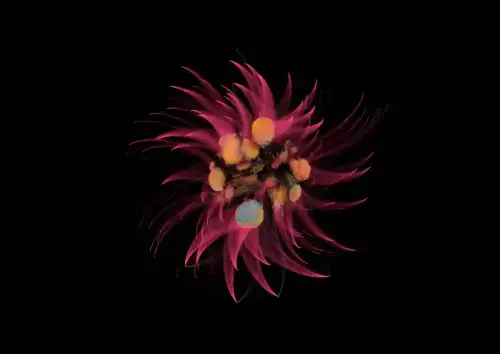
Celiac.com 12/16/2025 - Celiac disease has long been understood as a genetic and immune-driven reaction to gluten, the protein found in wheat, barley, and rye. But new science is revealing another key player in this complex condition—the trillions of microbes that live inside the digestive tract. These tiny organisms, collectively known as the gut microbiome, are proving to be far more influential than once thought. They may hold clues not only to why some people develop celiac disease while others do not, but also how future treatments might work to restore balance and reduce symptoms beyond what a gluten-free diet can achieve.
What Is the Gut Microbiome?
The gut microbiome refers to the enormous community of bacteria, fungi, and other microorganisms that inhabit the human intestines. Far from being harmful, most of these microbes perform essential tasks—breaking down food, producing vitamins, supporting the immune system, and even influencing mood and metabolism. The balance of these species can shift throughout life, affected by diet, antibiotics, infections, and environmental exposure.
Celiac.com Sponsor (A12):
For people with celiac disease or gluten sensitivity, this balance appears to matter a great deal. Researchers are discovering that individuals who go on to develop celiac disease often have distinct microbiome patterns even before gluten exposure begins to trigger symptoms. Understanding these patterns may one day help doctors predict risk, guide prevention, and personalize treatment.
The Microbiome’s Role in Celiac Disease
Celiac disease begins when the immune system mistakenly attacks the small intestine after exposure to gluten. This immune response leads to inflammation and damage to the tiny finger-like villi that absorb nutrients. Traditionally, the disease was thought to depend mainly on genetics and gluten exposure. However, many people with the genetic risk never develop the condition, which suggests that other environmental factors are involved—and one of the leading suspects is gut bacteria.
Studies comparing people with and without celiac disease have found major differences in gut microbial composition. Those with active disease often have fewer beneficial bacteria such as Bifidobacterium and Lactobacillus, and higher levels of potentially harmful species that can irritate the intestinal lining. These imbalances may amplify the immune system’s reaction to gluten, making the gut more sensitive and prone to inflammation.
Even after switching to a gluten-free diet, many patients show persistent microbiome differences compared to healthy individuals. This raises an important question: could correcting these imbalances help improve healing and reduce lingering symptoms such as bloating, fatigue, or abdominal pain? Scientists are now exploring how specific microbes may protect or harm the gut barrier and immune response in celiac disease.
How Gut Bacteria Might Influence Gluten Reactions
The connection between the microbiome and celiac disease involves several overlapping mechanisms. Some microbes can directly digest gluten peptides—the fragments of gluten that provoke an immune attack. If these “gluten-degrading” bacteria are lacking, undigested peptides may persist longer in the gut, increasing the chance of inflammation. On the other hand, certain harmful bacteria can make the intestinal lining more permeable, allowing gluten fragments to slip into the bloodstream and trigger stronger immune reactions.
Another pathway involves the immune system itself. The microbiome helps train the body to distinguish between harmless and dangerous substances. A balanced microbial community tends to support tolerance, meaning the immune system learns to stay calm in response to everyday proteins like gluten. When the microbiome becomes imbalanced—a state known as dysbiosis—the immune system can become overreactive and mistakenly target normal dietary components. This imbalance may explain why genetically susceptible people only develop celiac disease after disruptions such as infection, antibiotic use, or significant dietary change.
Can the Microbiome Predict Who Develops Celiac Disease?
One of the most exciting areas of research focuses on early-life microbial development. Babies acquire their first gut microbes during birth and breastfeeding, and these early colonizers help shape long-term immune health. Studies have shown that children who later develop celiac disease often have lower microbial diversity and fewer protective species in infancy. Environmental influences, including the mother’s diet, antibiotic exposure, and method of delivery (vaginal birth versus cesarean section), can all affect the child’s microbiome.
If specific microbial patterns can predict future celiac disease, this could transform how doctors approach prevention. Families with a history of the condition might one day receive microbiome testing for their infants, followed by early dietary or probiotic interventions to promote resilience against gluten sensitivity. While this research is still in its infancy, the idea of predicting disease before symptoms begin represents a new frontier in personalized medicine.
Microbiome-Targeted Treatments on the Horizon
Because the microbiome plays such an integral role in gut health, scientists are experimenting with ways to modify it deliberately to help those with celiac disease. Several approaches are under investigation:
- Probiotics: Certain bacterial strains—particularly Lactobacillus and Bifidobacterium—are being studied for their ability to improve digestion, reduce inflammation, and support a healthy gut barrier. Some early trials suggest they may ease gastrointestinal symptoms in celiac patients on a gluten-free diet, though results are still mixed.
- Prebiotics: These are fibers and natural compounds that feed beneficial bacteria. By encouraging the growth of protective species, prebiotics may help restore balance in the gut environment.
- Synbiotics: A combination of probiotics and prebiotics designed to work synergistically. These “gut boosters” may one day be personalized to each patient’s unique microbiome profile.
- Microbial enzymes: Some researchers are exploring the use of enzymes derived from bacteria to help break down gluten before it reaches the small intestine. If successful, these could supplement—but not replace—a gluten-free diet.
- Fecal microbiota transplantation (FMT): Though more experimental, this approach involves transferring beneficial microbes from a healthy donor to a recipient’s intestine. It has shown promise in other diseases linked to microbiome imbalance, and some scientists believe it could eventually be applied to celiac disease as well.
Beyond the Gluten-Free Diet
For decades, the gluten-free diet has been the only reliable treatment for celiac disease. While it remains essential, many patients continue to experience fatigue, bloating, or mild inflammation despite careful adherence. Microbiome science offers a new layer of hope—one that looks beyond gluten itself to the ecosystem that helps process it.
Future treatments may involve combining the gluten-free diet with microbiome-modulating therapies. For example, a celiac patient could follow a gluten-free plan while also taking a probiotic tailored to strengthen the gut lining or reduce immune activation. This approach could help improve nutrient absorption, speed up intestinal healing, and ease digestive discomfort.
Even for people without celiac disease but with gluten sensitivity, microbiome care could make a difference. A balanced microbial community may help reduce reactions to trace gluten exposure, ease bloating, and support overall digestive wellness. Maintaining microbiome health through whole foods, fiber, and fermented products could become an important complement to dietary vigilance.
Everyday Steps to Support a Healthy Microbiome
While medical therapies are still being developed, there are practical ways anyone with celiac disease or gluten sensitivity can nurture a healthier microbiome today:
- Eat a variety of gluten-free plant foods: Colorful vegetables, fruits, beans, nuts, and seeds provide natural fibers that feed beneficial bacteria.
- Include fermented foods: Gluten-free options like yogurt, kefir, sauerkraut, kimchi, and kombucha can introduce helpful probiotics naturally.
- Avoid unnecessary antibiotics: Use them only when prescribed, as they can disrupt microbial balance.
- Manage stress and sleep: The gut and brain communicate constantly, and stress can alter the microbiome just as powerfully as diet can.
- Stay active: Regular physical activity promotes a diverse and balanced gut bacterial community.
These small, sustainable habits can complement a gluten-free lifestyle and may help reduce lingering symptoms by promoting a stronger, more resilient gut ecosystem.
What This Means for People with Celiac Disease
The growing understanding of the microbiome’s role in celiac disease is reshaping how scientists think about both cause and treatment. Instead of viewing celiac as a simple gluten-triggered condition, experts now see it as a multi-layered interplay between genetics, diet, immunity, and microbial ecology. For patients, this means the future could bring more personalized care—therapies that not only eliminate gluten but also rebuild gut harmony.
If ongoing studies succeed, patients might one day take a probiotic or microbiome-based therapy designed to strengthen intestinal health, reduce sensitivity to accidental gluten exposure, or even prevent the disease from developing in the first place. For now, maintaining a balanced microbiome through healthy, gluten-free eating and lifestyle choices remains one of the most promising ways to support long-term digestive and immune wellness.
Looking Ahead
Microbiome research is still young, but it is already transforming our understanding of chronic digestive diseases. For celiac disease, the discovery that gut bacteria influence both risk and recovery opens up new possibilities for prevention and treatment. It also reinforces an encouraging message: healing the gut involves more than restriction—it involves restoration.
As scientists continue to decode the language between the gut and the immune system, future therapies may shift from simply avoiding gluten to actively rebuilding a resilient gut ecosystem. For millions living with celiac disease or gluten sensitivity, this represents not just hope for better symptom control, but the possibility of a more complete, science-guided recovery.










Recommended Comments
There are no comments to display.
Create an account or sign in to comment
You need to be a member in order to leave a comment
Create an account
Sign up for a new account in our community. It's easy!
Register a new accountSign in
Already have an account? Sign in here.
Sign In Now