


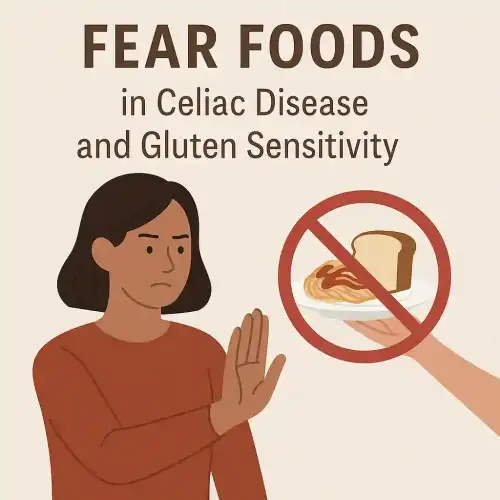
Celiac.com 01/16/2026 - For many people with celiac disease, the transition to a gluten-free lifestyle involves far more than just swapping out bread, pasta, and cookies. The emotional and psychological layers—especially fear, anxiety, and hypervigilance—can become some of the most challenging aspects of living with the condition. After repeated accidental gluten exposures, some patients develop long-term avoidance behaviors that extend well beyond the foods themselves: avoiding restaurants, declining travel opportunities, skipping social events, and even limiting interactions with friends and family. These patterns, often misunderstood by others, are rooted in neuroscience, survival instincts, and lived trauma.
This article explores why fear foods develop, how the brain encodes food-related trauma, and what these patterns mean for individuals with celiac disease or gluten sensitivity. Far from being irrational, these reactions often arise from real experiences and physiological consequences, revealing how deeply intertwined the gut and brain truly are.
The Nature of “Fear Foods” in Celiac Disease
Celiac.com Sponsor (A12):
The term “fear foods” is most often associated with eating disorders, but within the celiac community it has taken on a very different meaning. A fear food in the context of celiac disease is any food—gluten-free or not—that triggers anxiety because of its perceived risk of cross-contact or mislabeling. These fears can extend into broader experiences such as eating at restaurants, traveling, accepting homemade food, or even consuming packaged products from unfamiliar brands.
Unlike voluntary dietary choices, fear foods often emerge from negative experiences. A single gluten exposure can lead to days or even weeks of symptoms, nutrient malabsorption, inflammation, and emotional distress. When these episodes repeat, the brain learns to associate certain environments, cuisines, or situations with danger, creating an automatic fear response.
What This Means for People With Celiac Disease
- Fear foods are not a sign of weakness—they reflect real lived experiences with painful consequences.
- Patients may start avoiding even safe foods because their brain generalizes danger to entire categories.
- Understanding fear behaviors through a scientific lens can reduce stigma and create space for healing.
How the Brain Learns to Fear: The Neuroscience of Food Trauma
The human brain is designed to remember threats more vividly than neutral experiences. This survival mechanism is hardwired: when something harms us, the amygdala—the brain’s threat detection center—takes over, encoding the event with strong emotional weight. In people with celiac disease, episodes of accidental gluten exposure can activate this system intensely.
The trauma doesn’t come just from gastrointestinal distress. Gluten reactions can trigger neurological symptoms, brain fog, headaches, mood changes, and deep fatigue. The brain quickly learns that gluten equals danger—and anything associated with gluten becomes a potential threat.
This learning process has several components:
- Classical Conditioning: If a person gets sick after eating at a restaurant, the brain may start associating all restaurants with illness.
- Generalization: A negative reaction to a single dish might lead someone to avoid entire cuisines or food groups.
- Hypervigilance: After repeated exposures, the brain stays in an alert state, scanning for danger even in safe situations.
- Somatic Memory: The body itself remembers physical pain, making fear responses feel visceral and immediate.
What This Means for Patients
- Fear responses around food are based on real neurological patterns, not imagination.
- Symptoms such as racing heart, stomach tightening, or sweating may occur even before eating because the brain anticipates danger.
- Recognizing the neuroscience behind avoidance can validate the experience and reduce self-blame.
Restaurant Phobia: Why Dining Out Becomes a Psychological Minefield
For many individuals with celiac disease, restaurants represent the highest-risk environment for accidental gluten exposure. Cross-contact, unclear ingredient sourcing, undertrained staff, and shared preparation areas create a landscape of uncertainty. Even restaurants with gluten-free menus may struggle to maintain safe practices consistently.
After one or more reactions, the fear of dining out can become overwhelming. Some people begin researching menus obsessively, calling ahead, or only visiting restaurants with strict protocols. Others stop dining out entirely because the emotional strain outweighs the pleasure of the experience.
Impact on Daily Life
- Social events may be declined out of fear, leading to isolation.
- Family outings can become sources of tension.
- People may feel embarrassed explaining their fears to others, reinforcing avoidance.
For those with celiac disease, this isn’t simply “being picky”—it’s a protective response shaped by repeated harm.
Travel Anxiety and the Loss of Spontaneity
Travel brings joy for many, but for people with celiac disease it can also bring heightened stress. Airports, hotels, foreign cuisines, language barriers, and limited access to gluten-free products all contribute to uncertainty. A person may find themselves pre-packing meals, mapping grocery stores, or avoiding travel altogether.
Travel anxiety often emerges after one or more difficult trips where gluten exposure was unavoidable. The brain begins to label travel as a dangerous environment. Even safe trips can feel stressful because hypervigilance is always “on,” draining mental energy.
Consequences for People With Celiac Disease
- Reduced travel for work or leisure.
- Fear of making mistakes or trusting unfamiliar food sources.
- Loss of spontaneity, which can impact relationships and quality of life.
Understanding these patterns makes it easier for loved ones—and even healthcare providers—to respond with empathy rather than judgment.
The Emotional Cost: Shame, Isolation, and Identity
Celiac patients often report feeling misunderstood when they decline meals, bring their own food, or express their fears. Because gluten-free diets are sometimes treated as trends, people with celiac disease frequently fight to be taken seriously. This creates a cycle: stigma increases anxiety, anxiety increases avoidance, and avoidance leads to more stigma.
Some individuals begin to internalize the belief that they are “difficult,” “overreacting,” or “inconveniencing others,” even though their efforts are rooted in medical necessity. These emotional burdens can become heavier than the dietary restrictions themselves.
Important Realities for the Gluten-Free Community
- Fear-based avoidance is often the result of trauma, not preference.
- People with celiac disease may feel isolated even in supportive environments.
- Social, emotional, and identity-based struggles deserve just as much attention as nutritional needs.
Breaking the Cycle: Strategies for Healing and Reclaiming Confidence
While fear responses are natural, they do not need to control a patient's entire life. Healing begins by acknowledging the trauma behind the fear. Gradual exposure to safe environments, education about risk levels, and consistent positive experiences can help retrain the brain over time.
Possible approaches include:
- Working with a therapist: Cognitive-behavioral therapy (CBT) and trauma-informed approaches can reduce anxiety triggers.
- Building a trusted food network: Identifying restaurants, hotels, or brands known for strong gluten-free protocols can rebuild confidence.
- Practicing controlled exposure: Introducing small, safe challenges to reduce generalized fear responses.
- Community support: Sharing experiences with others who understand can reduce shame and isolation.
Healing does not mean eliminating vigilance. Instead, it means supporting patients in finding a balance where safety and quality of life can coexist.
What This Means for Healthcare Providers and Loved Ones
Understanding fear foods and avoidance behaviors is essential for providing compassionate support. Loved ones may need to learn new ways to host meals, plan events, or communicate around food. Healthcare professionals should consider anxiety, trauma, and emotional burden as core components of celiac disease—not peripheral concerns.
When the emotional challenges of celiac disease are acknowledged, patients feel validated rather than dismissed. This validation can help people rebuild confidence in eating, traveling, and engaging with life more fully.
Conclusion: Fear Foods Are a Psychological Response to Real Harm
The rise of avoidance behaviors among people with celiac disease is not a sign of overreaction—it is a neurological and emotional response to repeated injury. Understanding the psychology behind fear foods offers a clearer picture of how deeply celiac disease affects not only the body but also the mind. When we recognize these fears as rooted in trauma, we open the door to compassion, better support systems, and healthier coping strategies.
For those with celiac disease or gluten sensitivity, acknowledging the emotional impact is a key part of healing. And for friends, family, and providers, recognizing the legitimacy of these fears is the first step toward helping patients reclaim confidence, safety, and joy in their relationship with food.













Recommended Comments
There are no comments to display.
Create an account or sign in to comment
You need to be a member in order to leave a comment
Create an account
Sign up for a new account in our community. It's easy!
Register a new accountSign in
Already have an account? Sign in here.
Sign In Now