


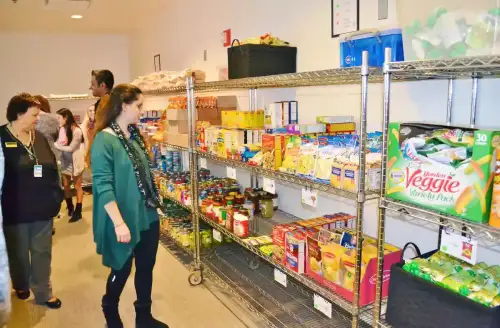
Celiac.com 02/24/2026 - Across the United States, food insecurity has risen sharply in recent years. A combination of reduced federal support for social services, long periods of economic disruption, and persistent inflation has pushed more families to rely on food pantries for basic nutrition. For many people, food pantries provide an essential safety net during hard times. However, for individuals who must follow medically necessary diets, accessing safe food through traditional pantries can be far more complicated.
People with celiac disease, gluten sensitivity, and serious food allergies face challenges that go beyond simple food availability. Their health depends on strict avoidance of specific ingredients, and even small amounts of contamination can trigger severe symptoms. As food pantry lines grow longer and resources become tighter, these individuals are often left navigating a system that was not designed with their medical needs in mind.
Why Standard Food Pantries Often Fall Short
Celiac.com Sponsor (A12):
Most food pantries focus on providing shelf-stable, affordable foods that can serve a wide range of people. Items such as pasta, boxed meals, canned soups, ramen noodles, and baked goods are common because they are inexpensive, easy to store, and familiar to many households. Unfortunately, many of these staples contain gluten or other common allergens.
For someone with celiac disease, gluten is not simply an ingredient to avoid casually. Gluten exposure can damage the small intestine, trigger intense gastrointestinal symptoms, and cause long-term health complications. Even foods that appear safe at first glance, such as soups or processed meats, may contain hidden sources of gluten. Labeling can be unclear, inconsistent, or difficult to interpret, especially for individuals who are already stressed about securing enough food.
As a result, people with medically necessary diets may leave a food pantry with very few usable items, even when shelves appear well-stocked. This creates a painful paradox: food is available, yet still inaccessible.
The Financial Burden of Eating Gluten Free
The cost of food is another major barrier for people with celiac disease and gluten sensitivity. Gluten-free alternatives to everyday foods like bread, pasta, and cereal often cost significantly more than their gluten-containing counterparts. Studies and consumer reports have consistently shown that gluten-free products can cost well over double the price of standard versions.
For individuals and families already struggling financially, this price difference can be overwhelming. Choosing safe food may mean sacrificing quantity, nutritional variety, or other basic necessities. This financial strain is especially harsh because a gluten-free diet is not optional for people with celiac disease. Unlike lifestyle diets, it is the only known treatment for preventing intestinal damage and ongoing illness.
In this context, food insecurity is not just about hunger. It becomes a health crisis that can worsen chronic disease, increase medical costs, and reduce overall quality of life.
The Emotional and Physical Toll of Limited Access
Living with celiac disease or severe food allergies already requires constant vigilance. Reading labels, avoiding cross-contact, and planning meals can be exhausting under normal circumstances. When food access becomes uncertain, the emotional toll intensifies.
People may experience anxiety about accidentally eating unsafe foods, fear of severe reactions, and frustration at feeling excluded from resources others can use freely. For some, accidental gluten exposure can lead not only to digestive symptoms, but also fatigue, brain fog, anxiety, or other whole-body reactions that interfere with daily functioning.
When individuals are forced to choose between hunger and potential illness, the stress can be profound. This burden is often invisible to those who do not have dietary restrictions, which can leave people with celiac disease feeling misunderstood or overlooked.
A Different Model: Allergy-Friendly Food Pantries
In response to these gaps, a small but growing number of specialty food pantries have emerged to serve people with medically necessary diets. These pantries focus exclusively on gluten-free and allergy-friendly foods, creating a space where safety is assumed rather than questioned.
Unlike traditional pantries, allergy-friendly pantries carefully select products that are free from gluten and other common allergens such as dairy, soy, peanuts, and tree nuts. This allows clients to shop with confidence, knowing that the food they receive will not put their health at risk.
These pantries often serve individuals with celiac disease, food allergies, and other autoimmune conditions. For many clients, it may be the first time they have been able to receive food assistance without fear or uncertainty.
Community-Led Solutions Filling a Critical Gap
Many allergy-friendly food pantries are founded and run by people who personally understand the challenges of living with dietary restrictions. Their motivation often comes from lived experience: managing their own health, confronting the high cost of safe food, and realizing how few resources exist for those who cannot rely on standard food assistance.
These organizations frequently operate on limited budgets, relying on donations, grants, and volunteer support. Some distribute food once a month, while others partner with delivery services to reach people who lack transportation. Despite their small size, their impact can be life-changing for those they serve.
By addressing a specific unmet need, these pantries demonstrate how community-driven initiatives can complement larger food bank networks rather than compete with them.
The Role of Larger Food Banks and Partnerships
Large regional food banks play an essential role in feeding millions of people, and many are increasingly aware of the need to serve diverse populations. Some partner with specialty pantries or share safe food when possible. Others work with culturally specific organizations or faith-based pantries that address unique dietary needs.
However, systemic challenges remain. Food banks themselves face declining government support, increased demand, and rising costs. While they may want to expand allergy-friendly offerings, sourcing certified gluten-free food at scale can be difficult and expensive.
This makes partnerships with specialty pantries especially valuable. Referring clients with celiac disease or severe allergies to dedicated resources helps ensure safety while allowing larger food banks to continue serving broad populations.
Why This Issue Matters for People With Celiac Disease
For people with celiac disease, access to safe food is not a matter of preference or convenience. It is central to managing a serious autoimmune condition. Without strict gluten avoidance, the immune system attacks the small intestine, leading to nutrient deficiencies, chronic inflammation, and increased risk of other health problems.
When food insecurity enters the picture, adherence to a gluten-free diet becomes far more difficult. Specialty food pantries offer more than just groceries; they provide dignity, reassurance, and the ability to protect one’s health during financially challenging times.
They also highlight a broader truth: food assistance systems must evolve to reflect the medical realities of the people they serve. As awareness of celiac disease and food allergies grows, so too should efforts to ensure equitable access to safe nutrition.
Looking Ahead: Building a More Inclusive Safety Net
The growing demand for food assistance shows no sign of disappearing. At the same time, diagnoses of celiac disease and other food-related immune conditions continue to rise. These trends make it increasingly important to design food security programs that recognize medical necessity, not just caloric need.
Expanding support for allergy-friendly pantries, increasing funding for gluten-free food sourcing, and improving education around labeling and cross-contact could make a meaningful difference. Even small changes, such as clearly marked gluten-free sections or better referral systems, can help bridge the gap.
For people with celiac disease and gluten sensitivity, knowing that safe food is available during difficult times can reduce stress, prevent illness, and promote long-term health. Ultimately, addressing this issue is about more than food. It is about equity, health, and ensuring that no one is left behind simply because their body requires something different.
Read more at: ideastream.org


.webp.a261ad5246d9b67cdf10b18c1a403790.webp)







Recommended Comments
There are no comments to display.
Create an account or sign in to comment
You need to be a member in order to leave a comment
Create an account
Sign up for a new account in our community. It's easy!
Register a new accountSign in
Already have an account? Sign in here.
Sign In Now