


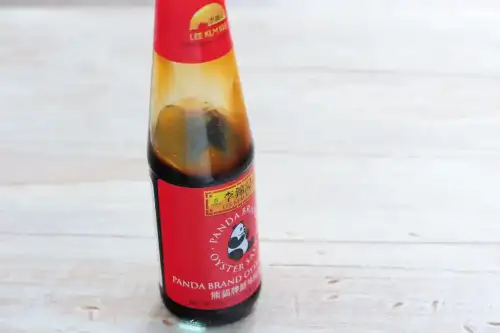
Celiac.com 03/07/2026 - Oyster sauce is a popular savory condiment used in many Asian dishes, especially stir-fries, marinades, and sauces. It is loved for its rich, salty-sweet “umami” flavor, but it can also be a hidden source of gluten. For people with celiac disease or gluten sensitivity, oyster sauce can be tricky because many brands use wheat-based ingredients, especially wheat-containing soy sauce, as part of their recipe.
The good news is that some oyster sauces are made without gluten, and gluten-free versions are increasingly available. The key is knowing what to look for on labels and understanding where gluten can sneak in.
What Is Oyster Sauce Made From?
Celiac.com Sponsor (A12):
Traditional oyster sauce is typically made from oyster extract, water, sugar, salt, and thickeners. Modern commercial versions often include additional ingredients for flavor, color, and shelf stability. Many oyster sauces contain some form of soy sauce or “seasoning sauce,” and that is where gluten commonly enters the picture.
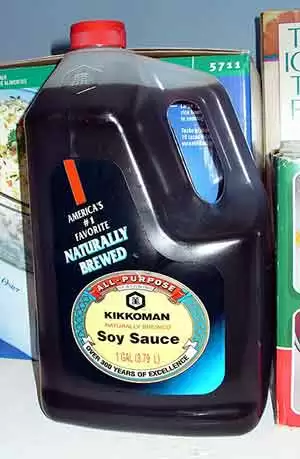
Soy sauce is frequently brewed with wheat. If an oyster sauce contains regular soy sauce, it is usually not safe for a gluten-free diet unless it is clearly labeled gluten-free. Some brands also use wheat flour or modified starch as a thickener, which adds another possible gluten source.
Why Oyster Sauce Often Contains Gluten
There are three common reasons oyster sauce is often not gluten-free:
- Soy sauce: Many recipes rely on standard soy sauce, which often contains wheat.
- Thickeners: Some brands use wheat flour or wheat-derived starches to thicken the sauce.
- Flavor additives: Certain flavorings, caramel color sources, or seasoning blends may include wheat-derived ingredients depending on the manufacturer.
Because oyster sauce is a “blended” product, you cannot assume it is gluten-free just because oysters themselves do not contain gluten. The manufacturing recipe matters.
How to Tell if an Oyster Sauce Is Gluten-Free
The safest approach is to look for a label that explicitly says “gluten-free”. If the product is certified gluten-free, that is even better, because it suggests the sauce meets a tested standard and is produced with stronger controls.
If the label does not say gluten-free, read the ingredients carefully and watch for these red flags:
- wheat
- soy sauce (unless it specifies gluten-free soy sauce or tamari)
- “hydrolyzed wheat protein”
- malt, barley, or rye
- “flour” if the source is not specified
Also pay attention to allergy statements such as “contains wheat” or “may contain wheat.” For people with celiac disease, “may contain” language can indicate cross-contact risk.
What About “No Wheat Ingredients” Labels?
Sometimes a sauce may not list wheat directly, but that does not automatically mean it is safe. The product could still contain gluten through barley-based ingredients or through cross-contact during manufacturing. For people with celiac disease, a gluten-free claim is the most reliable shortcut for safety.
If there is no gluten-free claim, the next best step is to verify whether the product uses gluten-free soy sauce and whether the manufacturer has cross-contact controls.
Common Alternatives to Oyster Sauce (Gluten-Free Options)
If you cannot find a gluten-free oyster sauce, there are a few alternatives that can mimic parts of the flavor profile:
- Gluten-free oyster sauce: The best option when available, because it keeps the intended flavor.
- Gluten-free hoisin sauce: Not identical, but similarly sweet and savory. Always confirm gluten-free status.
- Gluten-free tamari plus a touch of sugar: A simple substitute for stir-fries, though less “oyster-like.”
- Fish sauce plus a small amount of sugar: Provides salty depth, but with a different flavor direction.
If you use substitutes, the goal is to recreate the savory-sweet balance that oyster sauce provides, while keeping ingredients safe.
Restaurant Risk: Oyster Sauce in Takeout and Stir-Fries
Oyster sauce is extremely common in restaurant cooking, especially in stir-fries, noodles, and sauces. Even if you order something that seems naturally gluten-free, oyster sauce may be included automatically. This is why it is important to ask questions at restaurants and request gluten-free preparation.
For people with celiac disease, cross-contact is also a major issue in restaurant kitchens. Even if a restaurant uses a gluten-free sauce, shared woks, ladles, and prep surfaces can contaminate the meal.
Why This Matters for People With Celiac Disease or Gluten Sensitivity
For people with celiac disease, gluten exposure is not just about symptoms. It can cause immune activation and intestinal damage even when symptoms are mild or delayed. Oyster sauce is a classic “hidden gluten” ingredient because it often shows up in small amounts, mixed into sauces, and used behind the scenes in restaurant cooking.
For people with gluten sensitivity, oyster sauce can also cause discomfort, bloating, fatigue, or digestive upset. Because oyster sauce is so common, it can become a repeating exposure point unless you identify it early.
The takeaway is simple: oyster sauce is not automatically gluten-free. If you rely on a strict gluten-free diet, choose a product labeled gluten-free, verify ingredients carefully, and ask about oyster sauce when dining out.
Bottom Line
Some oyster sauces are gluten-free, but many are not. The most common gluten source is wheat-based soy sauce, followed by wheat-derived thickeners. If you have celiac disease, the safest choice is an oyster sauce that is clearly labeled gluten-free. When eating out, assume oyster sauce may be used unless the restaurant confirms otherwise and can prepare your meal safely.












Recommended Comments
There are no comments to display.
Create an account or sign in to comment
You need to be a member in order to leave a comment
Create an account
Sign up for a new account in our community. It's easy!
Register a new accountSign in
Already have an account? Sign in here.
Sign In Now