


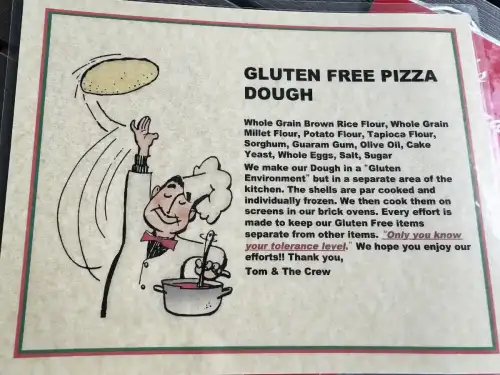
Celiac.com 12/23/2025 - Dining out should be enjoyable, social, and stress-free. For people with celiac disease or gluten sensitivity, however, eating at restaurants often feels like walking through a minefield. Many menus now feature items labeled as “gluten-free,” yet those words do not always guarantee safety. Some restaurants handle gluten-free requests with care and training, while others use the term loosely, without understanding what it actually requires.
This article explores how restaurants manage gluten-free labeling, what certifications and menu claims really mean, and how diners can protect themselves. Most importantly, it highlights strategies that help people with celiac disease reduce the risk of cross-contact and stay safe while still enjoying the dining-out experience.
Why Gluten-Free Labels in Restaurants Are Not Always Reliable
Celiac.com Sponsor (A12):
In a grocery store, foods labeled “gluten-free” must follow strict legal standards. Restaurants, however, operate under very different rules. Most countries do not regulate gluten-free claims on menus as tightly as packaged foods. As a result, the term can be used inconsistently. One restaurant may follow high-level food safety practices, while another may simply remove bread from a dish and call it gluten-free.
Even when ingredients are naturally gluten-free, the way food is prepared may expose it to gluten. Shared fryers, griddles, cutting boards, or storage containers can all cause small amounts of gluten to contaminate a meal. For someone with celiac disease, even trace levels can trigger an immune reaction.
What “Certified Gluten-Free” Means in Restaurants
More restaurants have begun to advertise “certified gluten-free” items or entire kitchens that follow gluten-free protocols. However, certification programs vary widely:
- Some programs require on-site inspections, staff training, dedicated equipment, and strict cleaning procedures.
- Other programs rely heavily on online training or self-reported compliance.
While certification can be a helpful sign, it is not a guarantee. Certification labels work best when paired with knowledgeable staff and a kitchen layout designed to prevent gluten from spreading from one surface to another.
How Cross-Contact Happens More Often Than Most Diners Realize
Cross-contact occurs when gluten-free food touches surfaces, tools, or ingredients that contain gluten. Many restaurant workers are trained around food allergies like peanuts or shellfish, but gluten cross-contact is less familiar and can be more complex. Some common risks include:
- Using the same fryers for breaded items and gluten-free foods
- Toasting gluten-free bread in a shared toaster
- Preparing gluten-free pizza on the same bench as regular pizza dough
- Cutting gluten-free foods with knives used on wheat products
- Ladling soups from pots where gluten-containing ingredients were previously cooked
- Storing gluten-free and gluten-containing ingredients in the same containers
These mistakes happen easily in busy kitchens. Even restaurants with good intentions may underestimate how quickly gluten can spread.
How to Evaluate a Restaurant Before You Order
People with celiac disease often have to think ahead before choosing a restaurant. Fortunately, there are ways to estimate whether an establishment is likely to be safe:
- Look at the online menu: Are gluten-free items clearly marked? Are there warnings about shared equipment?
- Search for celiac-friendly reviews: Other diners with celiac disease can offer valuable insight.
- Call ahead: A quick conversation can reveal whether the staff understands gluten safety. If they hesitate, guess, or say “we can remove the bun,” proceed with caution.
- Ask whether they have a dedicated gluten-free prep area: Even a small separate station can reduce cross-contact.
- Check whether the restaurant uses dedicated fryers or grills: Shared cooking surfaces are a major risk.
How to Communicate Effectively With Restaurant Staff
Clear communication can significantly reduce the risk of cross-contact. When speaking with servers or managers, try to:
- Use specific wording: Say, “I have celiac disease and must avoid gluten entirely.” Avoid vague terms like “intolerance.”
- Ask about preparation steps: How is the meal cooked? Is separate equipment used?
- Make sure your server tells the kitchen: Do not assume this will happen automatically.
- Confirm that substitutions or modifications will not introduce new risks: For example, substituting a sauce may be helpful, but only if the new sauce is also gluten-free.
Polite persistence is often necessary. Restaurant staff may mean well but still misunderstand the seriousness of celiac disease. Asking follow-up questions can help clarify whether they truly understand what “gluten-free” requires.
Tips for Staying Safe While Dining Out
Even in restaurants that are not fully gluten-free, there are ways to reduce risk:
- Choose simpler meals: Fewer ingredients often mean fewer opportunities for cross-contact.
- Avoid fried foods unless a dedicated fryer is used.
- Ask for items to be prepared on clean, unused surfaces.
- When possible, ask for fresh toppings, sauces, or sides from unopened containers.
- Politely decline items that seem risky, even if labeled gluten-free.
- Consider restaurants that routinely serve gluten-free customers: Dedicated gluten-free pizzerias, bakeries, and cafés tend to be safer.
Restaurants That Take Gluten-Free Safety Seriously
Not all establishments fall short. Many restaurants invest time and training to make their gluten-free offerings safe. They may:
- Train staff regularly about gluten avoidance
- Use color-coded equipment for gluten-free preparation
- Maintain fully separate cooking areas
- Cook gluten-free items first to reduce exposure
- Use ingredient lists and supplier controls to avoid hidden gluten
These establishments typically welcome questions and take pride in providing safe dining experiences.
What This Means for People With Celiac Disease
For people with celiac disease, gluten-free menus can be helpful but cannot be accepted blindly. The term “gluten-free” in a restaurant does not automatically mean that the food is safe from small but dangerous levels of gluten. This makes knowledge, preparation, and assertive communication essential tools.
The encouraging news is that awareness is growing. More restaurants are learning about cross-contact, and more chefs are taking gluten-free safety seriously. By understanding how to assess risk and ask the right questions, people with celiac disease can dine out more confidently and enjoy meals without fear.
Conclusion
Trusting a “gluten-free” label on a restaurant menu requires more than hope. It requires asking informed questions, understanding how kitchens operate, and recognizing the difference between gluten-free ingredients and gluten-free preparation. While risks remain, empowered diners can make safer choices and still experience the joy of eating out. As awareness spreads and more restaurants adopt proper training, the future of gluten-free dining looks brighter for anyone managing celiac disease or gluten sensitivity.











Recommended Comments
Create an account or sign in to comment
You need to be a member in order to leave a comment
Create an account
Sign up for a new account in our community. It's easy!
Register a new accountSign in
Already have an account? Sign in here.
Sign In Now