


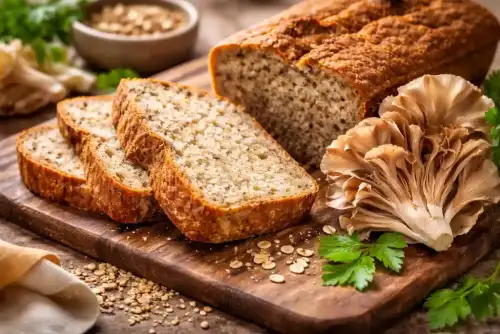
Celiac.com 04/10/2026 - Gluten-free bread is essential for individuals with celiac disease, but it often falls short nutritionally when compared to traditional wheat-based bread. Many gluten-free breads rely heavily on refined starches, which can result in lower fiber, protein, and micronutrient content. In addition, gluten-free baked goods sometimes lack natural antioxidant compounds that help protect the body from oxidative stress. Researchers continue to explore natural ingredients that can improve both the nutritional value and functional properties of gluten-free products.
This study examined the effects of adding Grifola frondosa, an edible mushroom commonly known as maitake, to gluten-free bread. The researchers investigated whether incorporating this mushroom powder could enhance antioxidant activity, improve nutritional composition, and influence bread quality characteristics such as texture and structure.
Why Grifola frondosa?
Celiac.com Sponsor (A12):
Grifola frondosa is well known for its nutritional richness. It contains dietary fiber, protein, essential amino acids, vitamins, minerals, and a variety of biologically active compounds. Many of these compounds have antioxidant properties, meaning they can help neutralize harmful molecules known as free radicals. Free radicals are unstable molecules that may contribute to inflammation and cellular damage.
Because individuals with celiac disease may experience increased oxidative stress due to chronic intestinal inflammation, foods with higher antioxidant capacity may offer added benefits. The researchers selected this mushroom as a natural additive that might enhance both the nutritional profile and functional quality of gluten-free bread.
How the Study Was Conducted
The research team prepared gluten-free bread formulations with varying amounts of Grifola frondosa powder added to the flour mixture. These experimental breads were compared to a control bread made without mushroom supplementation. The researchers then evaluated multiple characteristics, including antioxidant capacity, protein and fiber content, mineral composition, moisture levels, loaf volume, crumb texture, and sensory qualities.
Laboratory testing measured antioxidant activity using established chemical assays that assess the ability of food extracts to neutralize reactive molecules. The team also analyzed basic nutritional composition to determine how the addition of mushroom powder altered macronutrient and micronutrient levels.
Improved Antioxidant Activity
One of the most significant findings of the study was the increase in antioxidant activity in breads containing Grifola frondosa. As the amount of mushroom powder increased, the antioxidant capacity of the bread rose accordingly. This suggests that the mushroom contributed biologically active compounds capable of enhancing the bread’s ability to counter oxidative stress.
From a nutritional standpoint, this is meaningful because gluten-free breads are often low in naturally occurring antioxidants. Adding a functional ingredient such as this mushroom may help bridge that gap.
Enhanced Nutritional Composition
The addition of Grifola frondosa also improved the overall nutritional profile of the bread. Protein levels increased modestly, and dietary fiber content rose as well. The mushroom contributed valuable minerals that are sometimes lacking in refined gluten-free products.
These improvements are important because many individuals with celiac disease experience nutrient deficiencies, particularly if diagnosis was delayed or intestinal healing is incomplete. Increasing fiber intake can also support digestive health and help regulate blood sugar levels.
Effects on Bread Structure and Texture
While nutritional enhancements were clear, the researchers also examined how mushroom supplementation affected bread quality. Gluten-free bread structure depends heavily on starches and binding agents since gluten is absent. Introducing additional plant material can alter moisture retention, crumb softness, and loaf volume.
The study found that moderate levels of Grifola frondosa maintained acceptable texture and structural properties. However, very high levels of supplementation slightly reduced loaf volume and altered crumb density. This is not unexpected, as adding fiber-rich ingredients can influence gas retention and dough elasticity.
Importantly, sensory testing indicated that breads containing appropriate levels of mushroom powder were still considered acceptable in taste, aroma, and overall quality.
Balancing Nutrition and Practical Baking Performance
The findings highlight the importance of balancing functional improvements with baking performance. While higher levels of mushroom powder produced greater antioxidant benefits, excessive amounts could negatively affect bread texture. The researchers concluded that there is an optimal inclusion level that enhances nutrition without compromising quality.
This balance is critical for consumer acceptance. Nutritional improvements are only meaningful if the product remains enjoyable and practical for everyday consumption.
Why This Study Matters for People with Celiac Disease
For individuals with celiac disease, gluten-free bread is a dietary staple. However, many commercially available products are made primarily from refined starches and lack important nutrients. This study demonstrates that incorporating natural, nutrient-dense ingredients such as Grifola frondosa can significantly enhance antioxidant capacity and improve nutritional value.
Because celiac disease involves immune activation and inflammation, increasing antioxidant intake through commonly consumed foods may provide supportive benefits. Although gluten-free diet adherence remains the cornerstone of treatment, improving the quality of gluten-free products can contribute to better overall health.
This research also supports the broader concept of using whole-food functional ingredients to upgrade gluten-free formulations. Rather than relying solely on synthetic fortification, natural additives like edible mushrooms may offer a more integrated nutritional solution.
Conclusion
The study shows that adding Grifola frondosa to gluten-free bread enhances antioxidant activity and improves nutritional composition, particularly in terms of fiber, protein, and mineral content. When used at appropriate levels, the mushroom can improve health-related qualities without significantly compromising texture or taste.
For people with celiac disease, these findings suggest that future gluten-free products could be both safer and more nutritionally robust. Continued research into natural functional ingredients may help transform gluten-free foods from simple substitutes into genuinely health-supportive options.
Read more at: nature.com











Recommended Comments
Create an account or sign in to comment
You need to be a member in order to leave a comment
Create an account
Sign up for a new account in our community. It's easy!
Register a new accountSign in
Already have an account? Sign in here.
Sign In Now